
Small-size movements, once considered a small role in “jewelry accessories”, have now quietly emerged with the support of technology and become the new darling of the watch market! Do you know? The two major luxury brands, Rolex and Omega, are leading the trend of the entire market through the innovation of small-size movements. Want to know how they do it and what’s the story behind the powerful performance of these movements? Come and take a look!
The rise of small movements
In the mechanical watch industry, the size of the movement directly determines its performance. The traditional concept is that small-sized movements cannot store enough energy due to volume limitations, and it is difficult to have excellent travel time performance and anti-magnetic properties. Moreover, small-sized movements are technically difficult to use with some advanced accessories, and often can only meet the needs of basic watches.
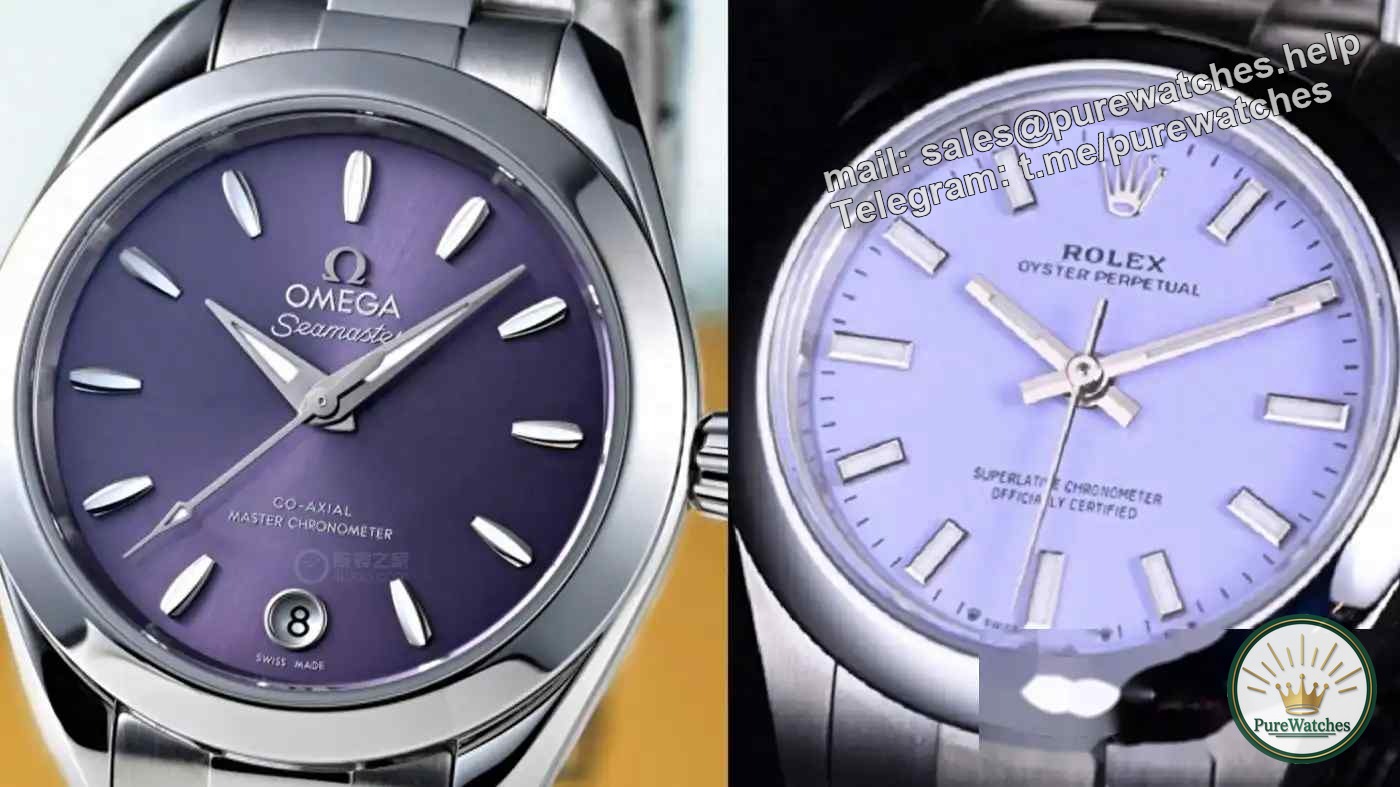
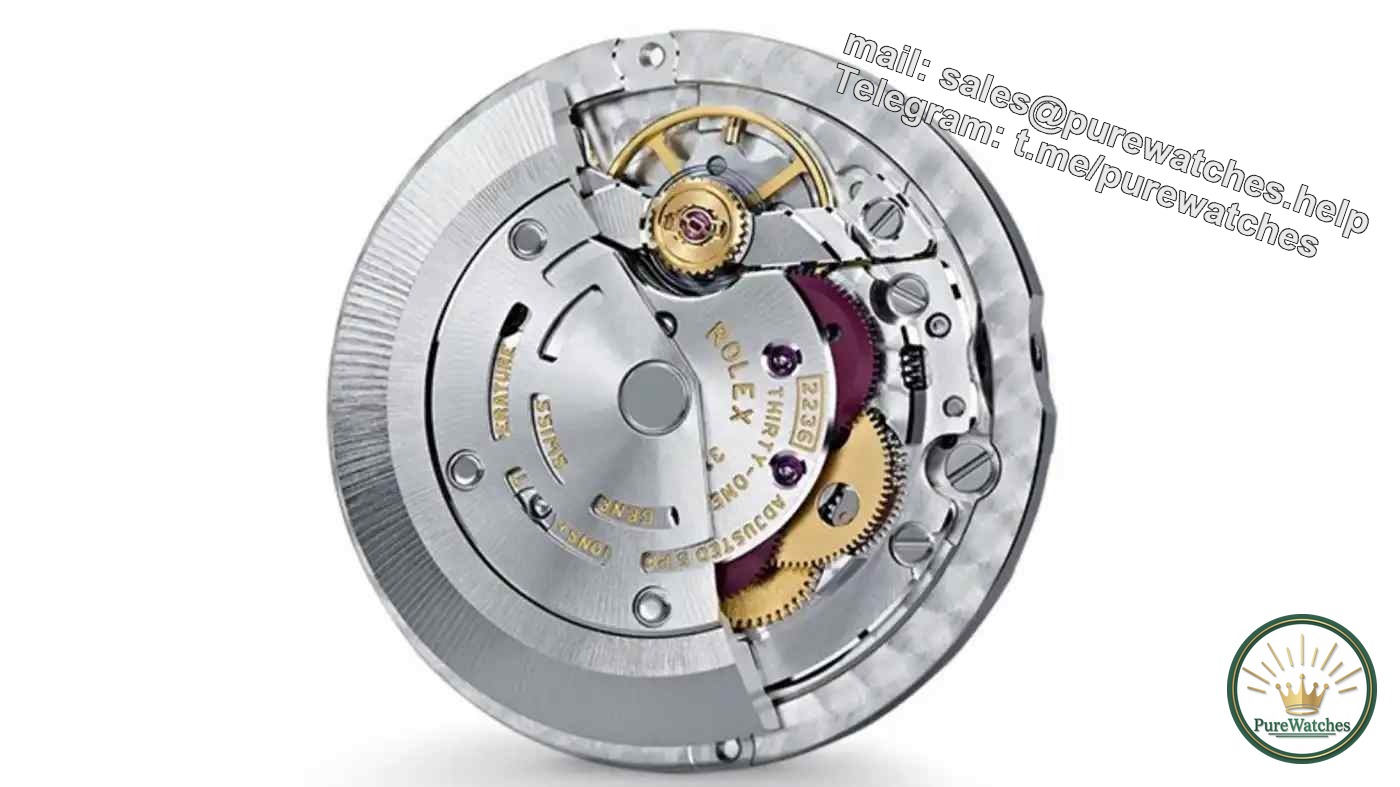
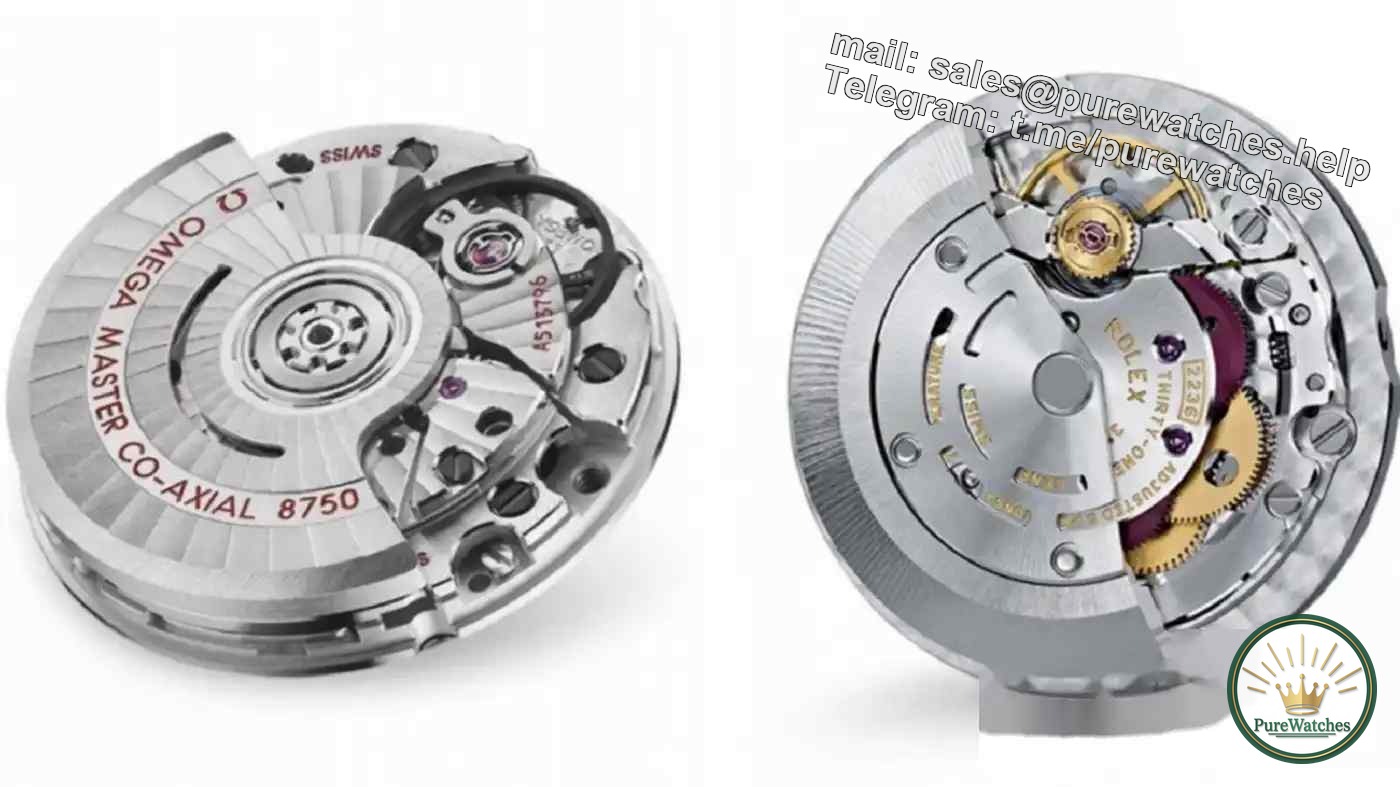
But with the advancement of technology, this situation is changing dramatically. The certification standards for small-sized movements have been raised, ensuring greater accuracy and resistance to magnetism. Taking Rolex as an example, its 2236 movement is a self-developed small-size movement with a diameter of only 20mm, but it can reach a vibration frequency of 28800VPH, a dynamic reserve of 55 hours, and its anti-magnetic ability is also first-class. In terms of materials, Syloxi silicon hairspring is used for the first time. This hairspring not only improves the stability of the movement, but also improves the shock resistance.
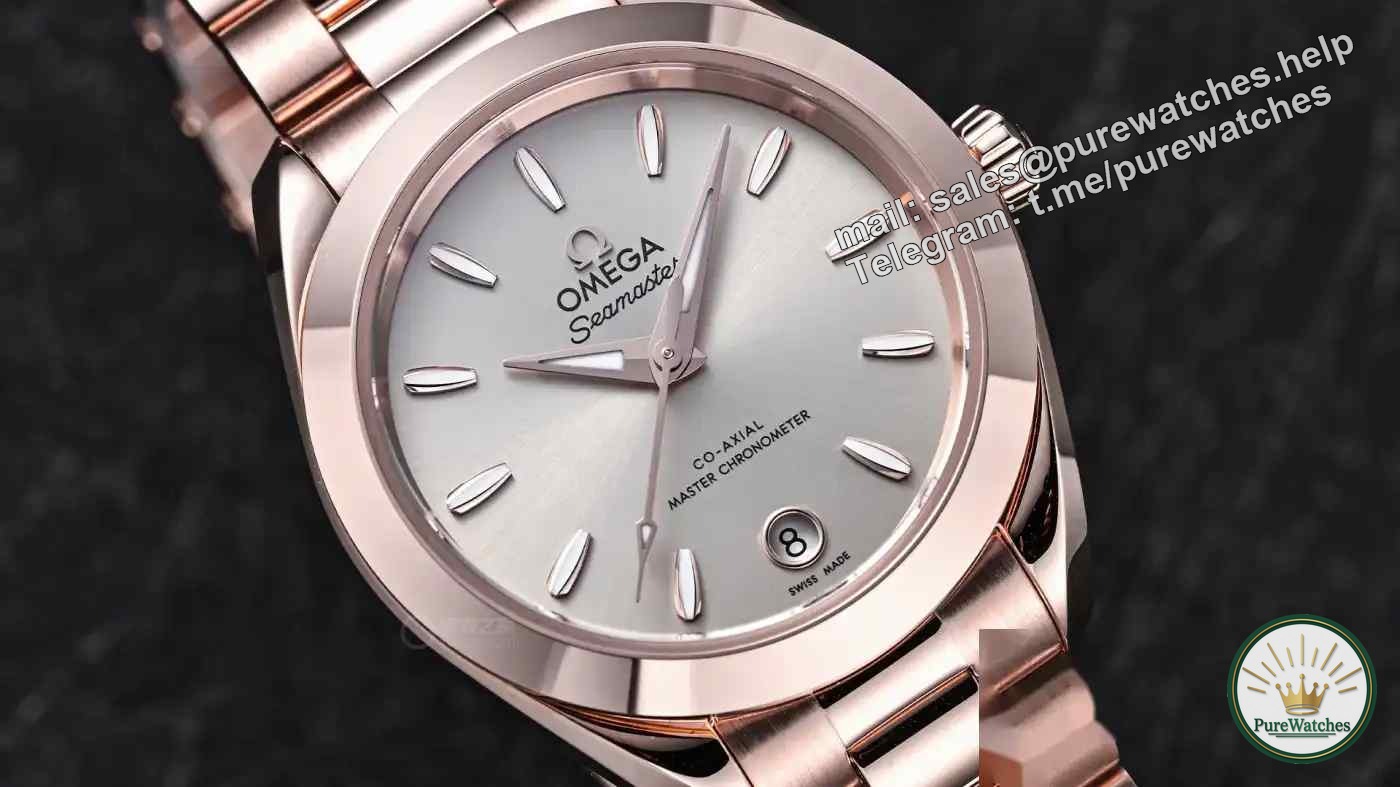
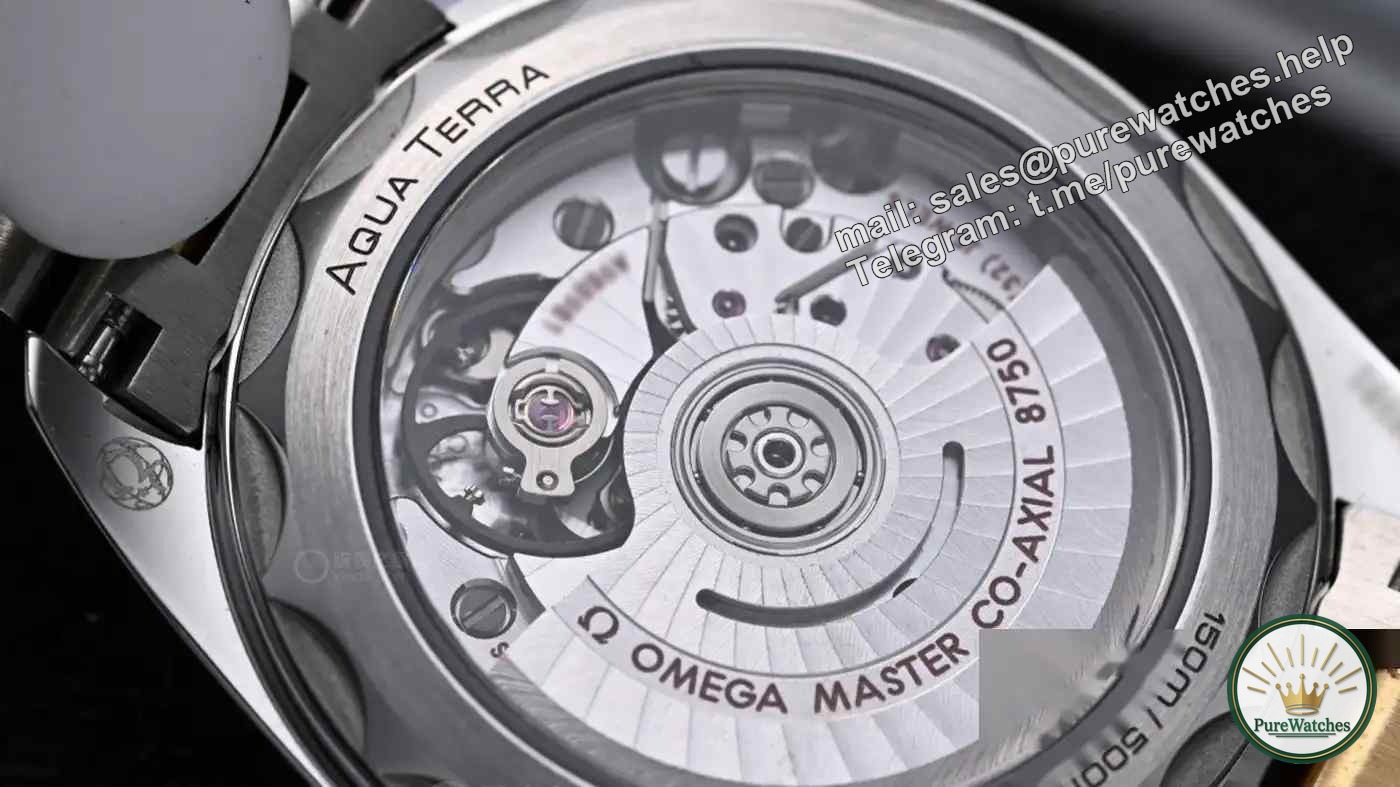
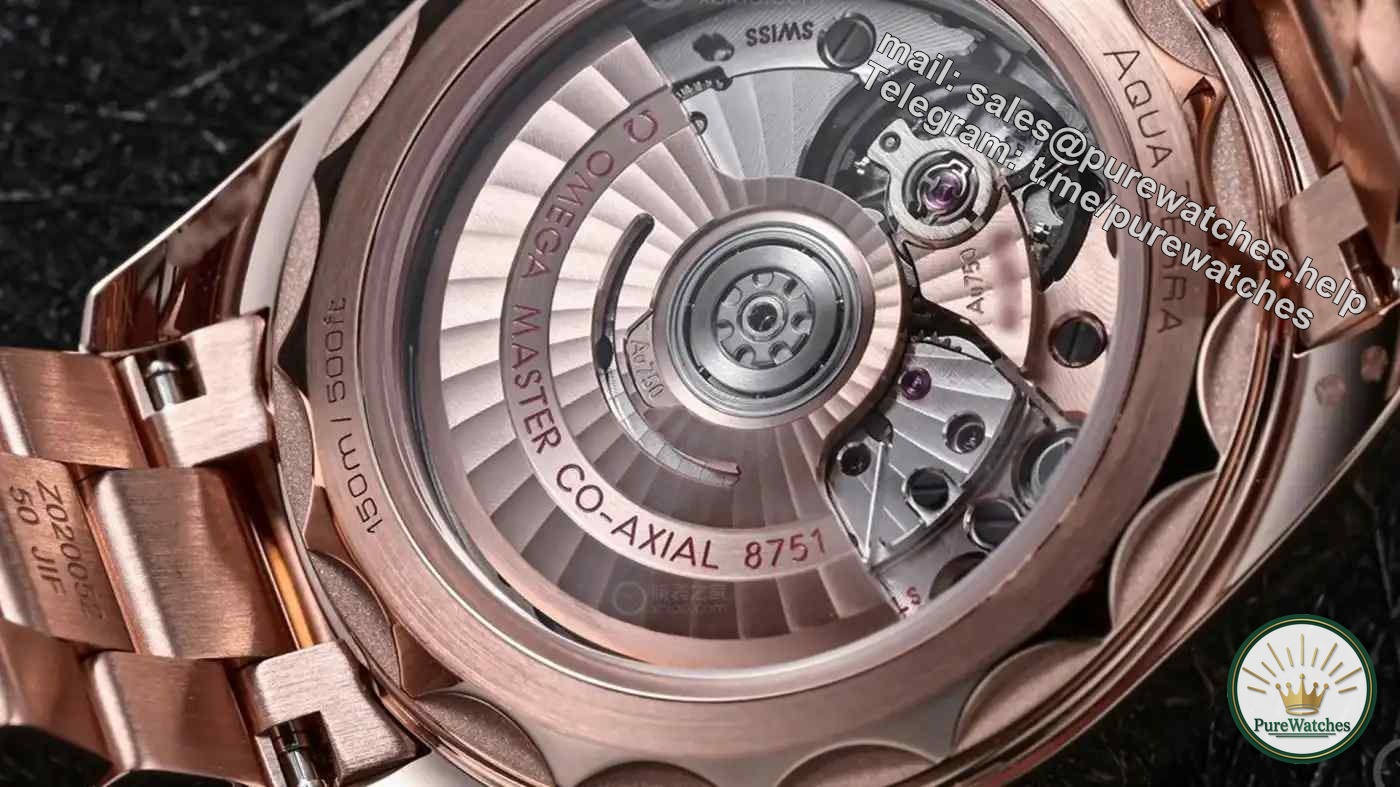
The same is true for the Omega 8750/8751 movement. After being certified by the Swiss Official Observatory, the performance of the 8750 movement is well guaranteed. It is also equipped with a silicon hairspring, has a 48-hour power reserve, and has a date display function. It can be said that with the development of technology, the performance of small-size movements has been able to fully meet the needs of consumers, rather than “can only be used for jewelry accessories” as people thought in the past.
In the women’s watch market, the impact of small-size movements is particularly obvious. Once upon a time, when consumers chose women’s watches, they considered brand and appearance more than movement performance. Even for the small-sized movements of some top luxury brands, the performance parameters are tepid and few people pay attention to them.
But now the situation is different. Consumers are becoming more rational and have a deeper understanding of the movement performance of watches. And with the advancement of small-size movement technology, some brands have begun to make big efforts in this area, obviously hoping to attract more consumer attention through performance.
The market structure will be changed
As the world’s top luxury brands, Rolex and Omega attract much attention for every move they release. Especially in the field of small-size movements, both are promoters of technological innovation.
Rolex caliber 2236 is the first small-size movement on the market to use a silicon hairspring, and its other performance parameters are equally excellent. This kind of innovation directly increases the entire women’s watch market’s attention to small-size movements, instead of the previous irrational consumption that only looked at the brand.
The advent of the Omega 8750/8751 movement has further consolidated consumer confidence. This is a movement certified by the Swiss Official Observatory, and its accuracy and stability are well guaranteed. And it also adds a date display function. This design is very friendly to watch friends who wear it every day.
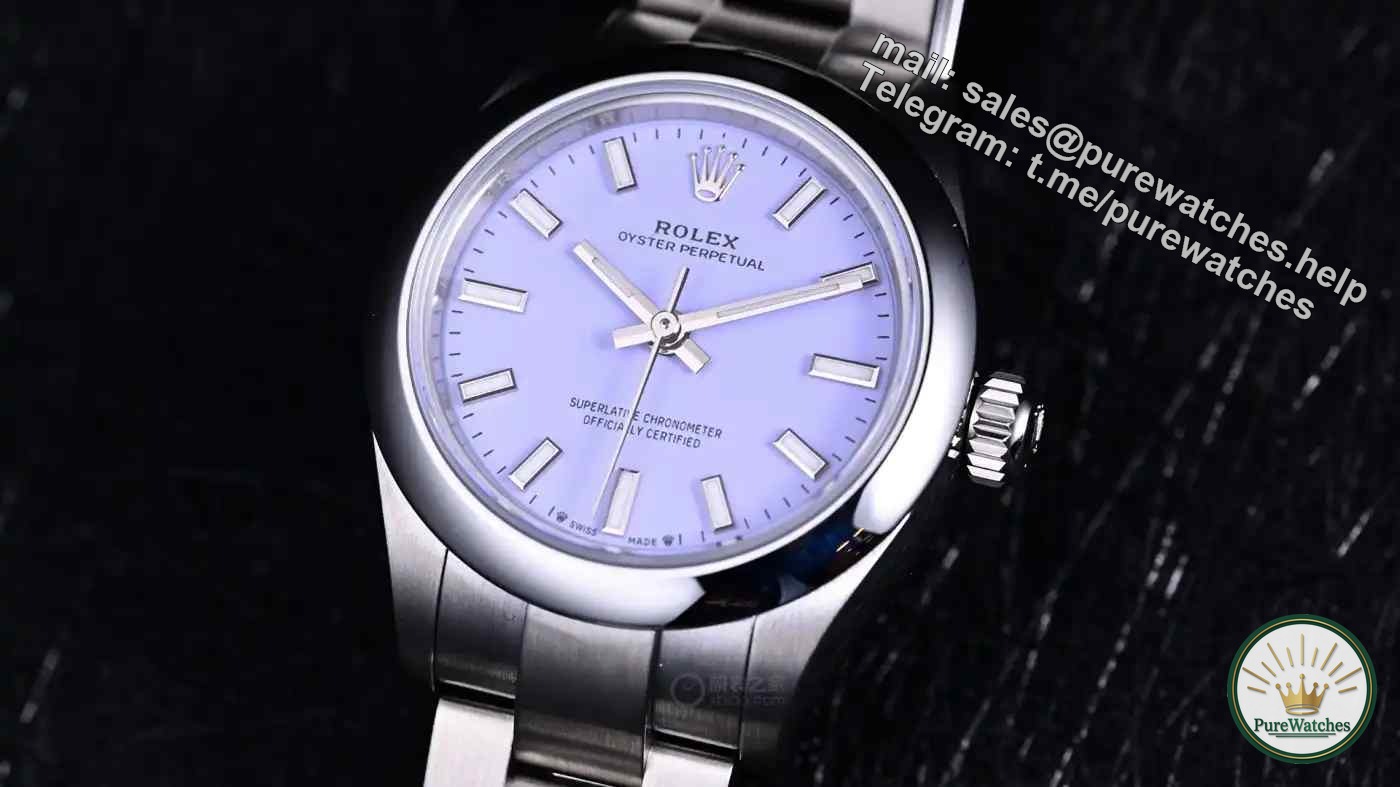
There are only a handful of watches with small-sized movements on the market, but if you pay close attention, you will find that more and more small-sized watches are beginning to use movements from these two brands. For example, the Omega AQUA TERRA 150-meter watch (30mm) and the Rolex Oyster Perpetual watch (31mm), both of which are very classic small-sized women’s watches.
Of course, small-size movements still have some shortcomings in performance, such as energy storage and durability. But this does not prevent them from becoming the darling of the market. With the continuous advancement of technology, I believe this shortcoming will soon be overcome. The innovations of Rolex and Omega in the field of small-size movements are bound to lead the development direction of the entire market.
Conclusion
The rise of small-sized movements is really eye-catching! It not only improves the performance of women’s watches, but also changes consumers’ purchasing concepts. I think more brands will join this ranks in the future and bring more surprises. What do you think of the changes in small-sized movements? Welcome to share your views in the comment area, and don’t forget to like it!