
As a precision timing tool, a mechanical watch relies on the power provided by its spring. Therefore, winding the mainspring correctly is essential for the normal operation of a mechanical watch. This evaluation will elaborate on the methods, precautions, and actual operating experience of winding a mechanical watch.

1. The correct way to wind a mechanical watch
- Choose the right tool
When winding a mechanical watch, you must use a special winding tool, such as a manual rotary winder. Avoid using non-professional tools to avoid damaging the watch movement or deforming the spring. - Rotate clockwise
The design of most mechanical watches is based on the inertial principle of clockwise rotation, so the clockwise rotation should always be followed when winding. Counterclockwise rotation may cause the mainspring to break or damage the movement. - Control the appropriate intensity
When winding the spring, avoid excessive force to avoid deformation of the spring or damage to the movement. Winding is usually accomplished by simply turning the spring. If you feel that the spring is too tight, you can relax your hand slightly before continuing to spin.
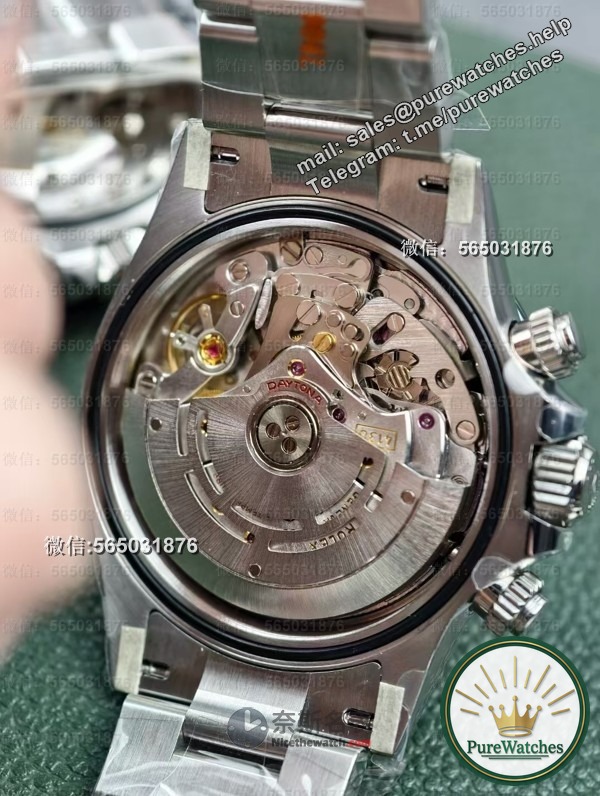
2. Things to note when winding a mechanical watch
- Control of spring length
Before winding, make sure the length of the spring is appropriate, neither too tight nor too loose. A spring that is too long may cause the movement to become jammed or damaged. - Determine whether the spring is fully wound
By observing the rotation of the spring, listening to the sound of the spring, and observing the movement of the second hand, you can determine whether the spring is fully wound. If the spring rotates easily, makes a crisp sound, and the second hand moves smoothly, it means that the spring is fully wound; otherwise, you need to continue winding.
3. Practical operational experience
- The process of winding up
Use a special winding tool to rotate the spring clockwise, and you can clearly feel the gradual tightening process of the spring. The strength needs to be controlled when rotating to avoid excessive force that may cause damage to the spring or movement. - Determine the clockwork status
By observing the rotation of the spring and the movement of the second hand, you can more accurately determine whether the spring is fully wound. For a fully automatic mechanical watch, although it can be automatically wound for daily wear, when it is worn for the first time or has not been worn for a long time, it still needs to be fully wound manually to ensure normal operation. - The importance of regular manual winding
Regular manual winding helps keep your mechanical watch in good condition and prolongs its service life, especially for fully automatic mechanical watches.
4. Summary
This review comprehensively explains the methods, precautions and practical operating experience of winding a mechanical watch. By correctly using special tools, rotating the spring clockwise, and controlling the force, you can ensure the normal operation of the mechanical watch and extend its service life. At the same time, by observing the rotation of the spring, listening to the sound and observing the movement of the second hand, you can accurately determine whether the spring is fully wound. For fully automatic mechanical watches, regular manual winding is also one of the important measures to maintain their good condition and extend their service life.