
Do you know? The automatic winding movement not only allows the wearer to say goodbye to the trouble of frequent manual winding, but is also a major evolution of modern mechanical watches! From Rolex’s 360° freely rotating rotor to the technological breakthrough of two-way winding, what are the unknown stories behind these innovations? Want to know more about the secrets of self-winding movements? Come and take a look!
The definition and characteristics of self-winding movements
In today’s society, mechanical watches have become the favorite wrist of many people, and the movement of the watch is the key to determining its performance. As the power source of mechanical watches, in addition to being able to accurately move time, the movement also has many additional functions, such as calendar, moon phase, timing, etc. But there are more than two types of movements: manual winding movements and automatic winding movements. The automatic winding movement is also called an “automatic movement.” Its appearance allows the wearer to bid farewell to the trouble of frequent manual winding and becomes another evolution of mechanical watches.
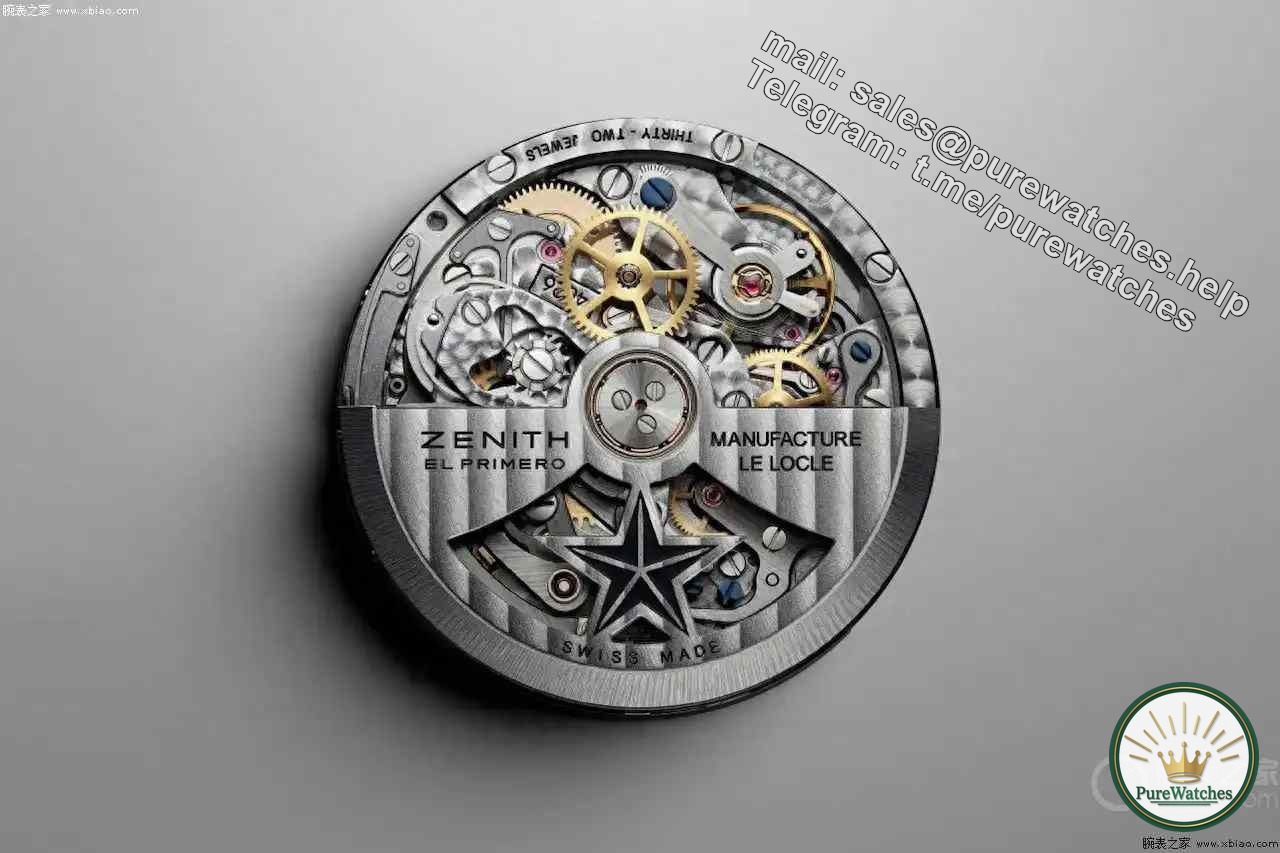
Advantages, disadvantages and design evolution of self-winding movements
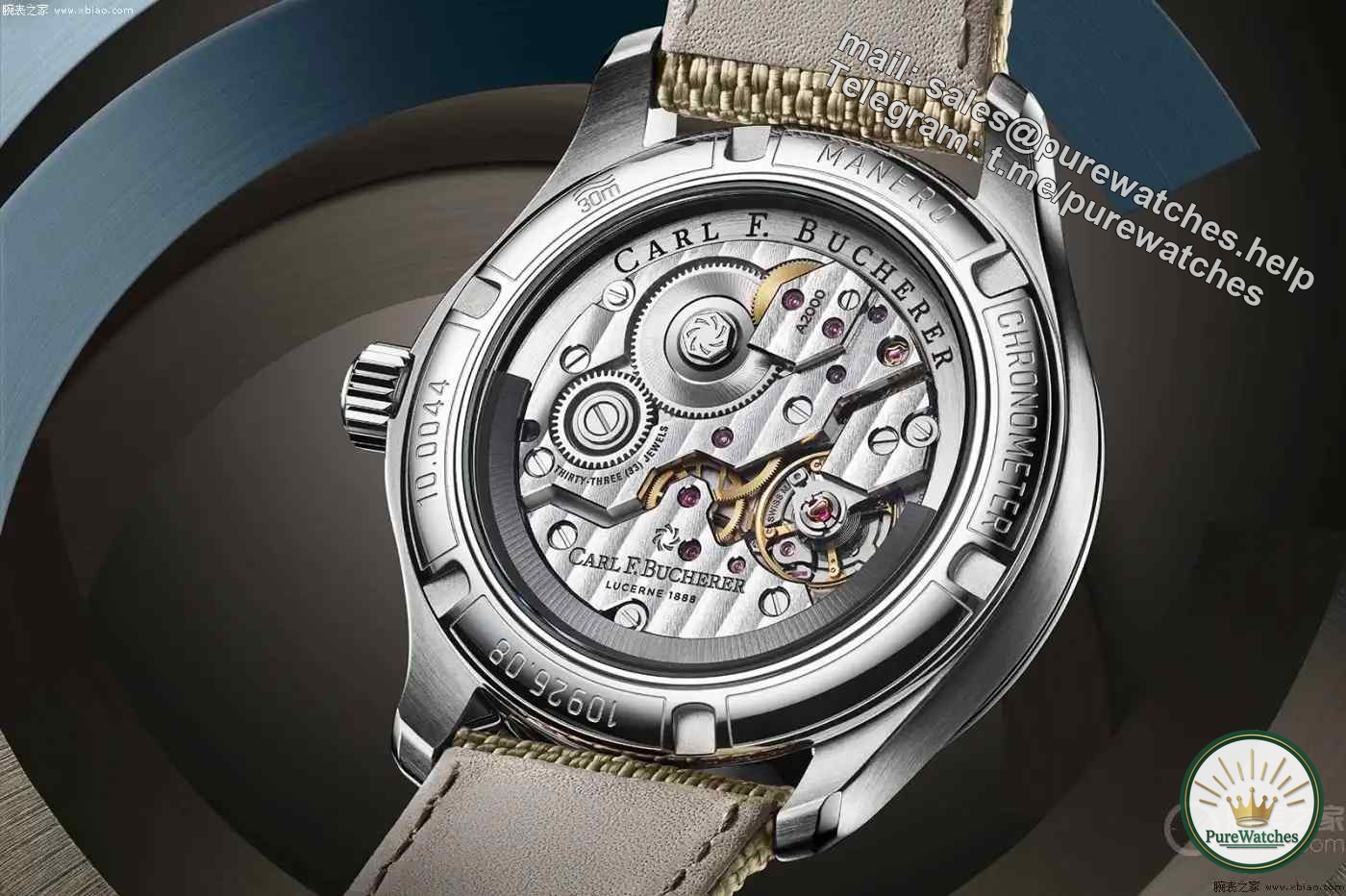
Through the movement of the wearer’s arm, the oscillating weight inside the watch will rotate, thereby driving the gear to wind. Compared with manual movements, the advantages of automatic movements are low maintenance costs and convenient use, but the disadvantages are also obvious, such as the increase in weight and size caused by the increase in internal parts of the movement, the movement may be blocked by the oscillating weight, and the oscillating weight may be too heavy or too large to cause discomfort, etc. Moreover, if the wearer does not wear the watch for a long time, it may cause the movement to stop, so many people will choose a watch shaker to simulate arm movement, but this is not a good habit.
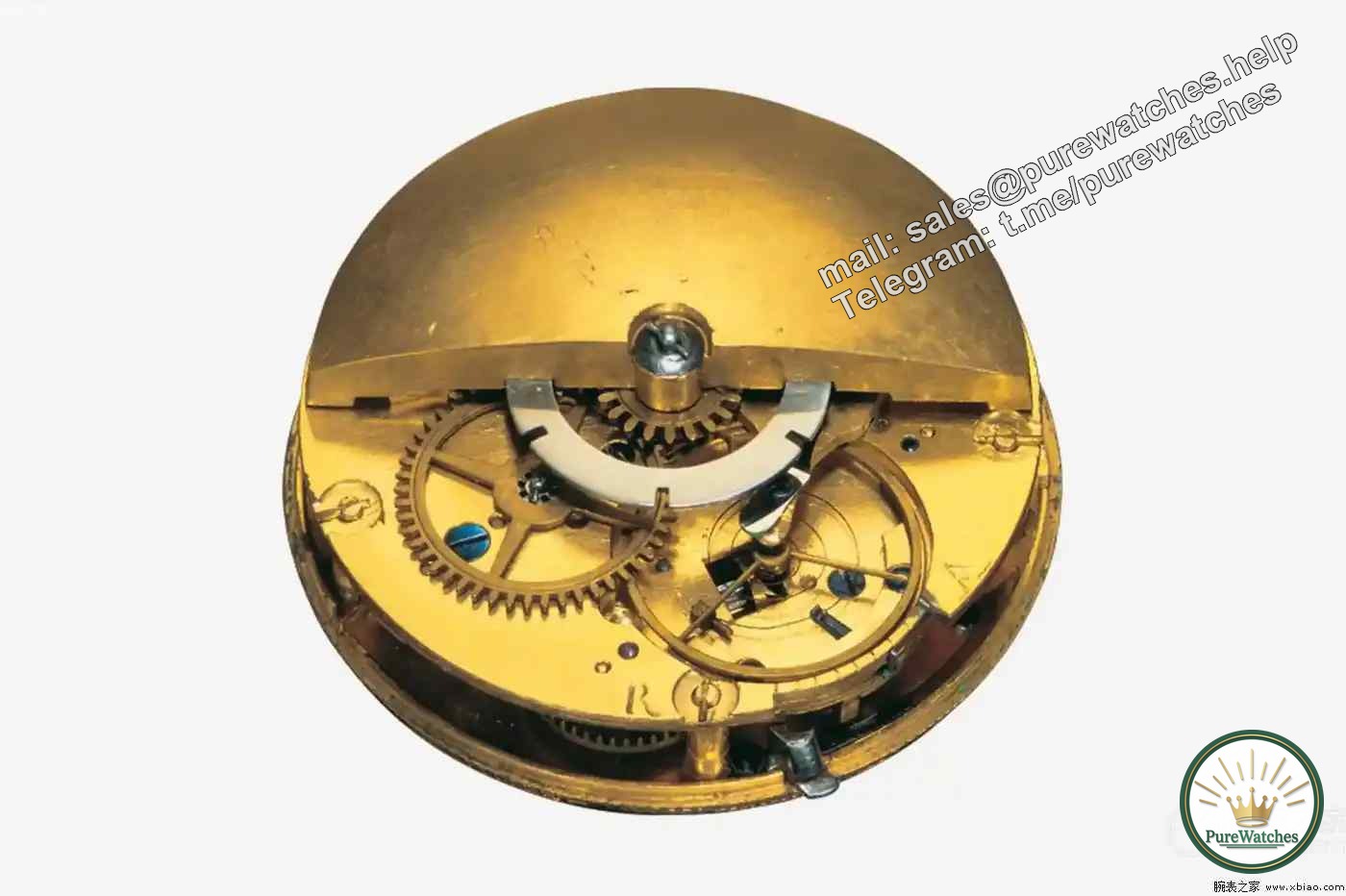
Rolex and the innovation of self-winding movements

In 1931, Rolex innovated the self-winding movement with a weighted pendulum design, allowing the pendulum to rotate freely 360° and no longer relied on the movement of the wrist at a specific angle for winding. Since then, Rolex has applied this design to many of its watches, and it has gradually become one of its iconic technologies. In 2024, Rolex Daytona launches a new style, which displays the internal structure and delicate craftsmanship of the movement through the see-through case back, further enhancing the wearing experience.
The history and development of self-winding movements

In 1922, British watchmaker John Harwood created the first self-winding movement in a watch. It designed a weighted oscillating weight inside, and the wearer only had to put the watch on the wrist to complete the winding. However, due to technical limitations at the time, the self-winding movement designed by Harwood was not popular. It was not until 1924 that Swiss watchmaker Abraham Louis Perrelet introduced a self-winding movement for the first time in a pocket watch. Although pocket watches were usually stationary and failed to become popular, this design became the basis for subsequent development. The development of modern technology has made the design of the pendulum more diverse and improved the winding efficiency of the watch.

Applications and precautions for modern self-winding movements
Today, self-winding movements have become the standard for high-end mechanical watches, and many top watch brands such as Rolex, Patek Philippe, Vacheron Constantin, Audemars Piguet, and IWC are widely used in their watches. But this does not mean that the wearer can stop paying attention to the maintenance of the movement. Although the automatic winding movement can be wound by wearing it, if it is not worn for a long time, it will also cause the movement to stop. At this time, manual winding is required, otherwise the travel time accuracy will be affected. Even watches that are worn less frequently must be manually wound regularly to ensure the normal operation of the oil inside the movement. It is not a good habit to use a watch dial, because it will cause the internal parts of the movement to be in motion for a long time, thereby accelerating wear and affecting its service life.
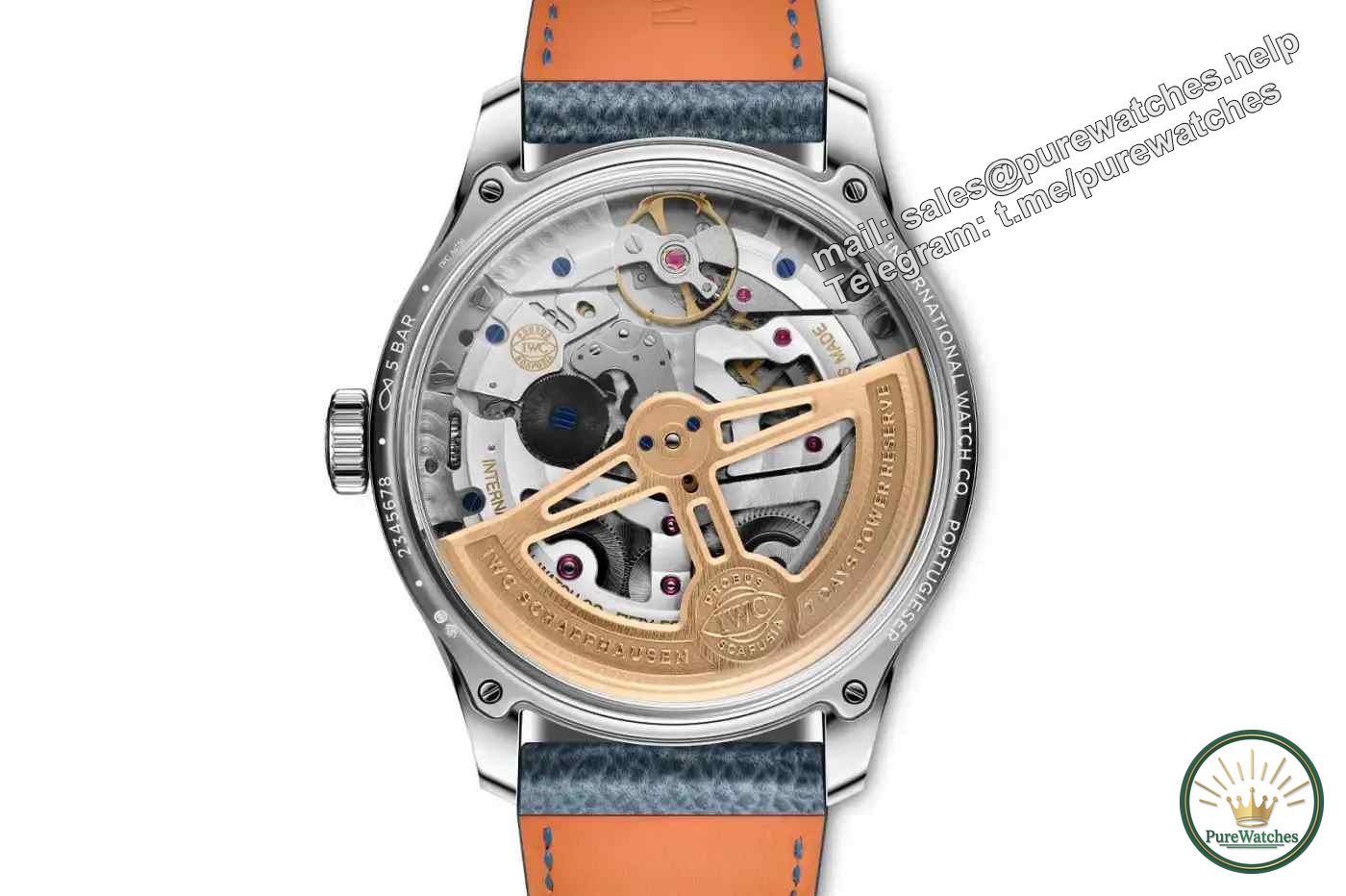
The difference between bidirectional winding and automatic winding movements
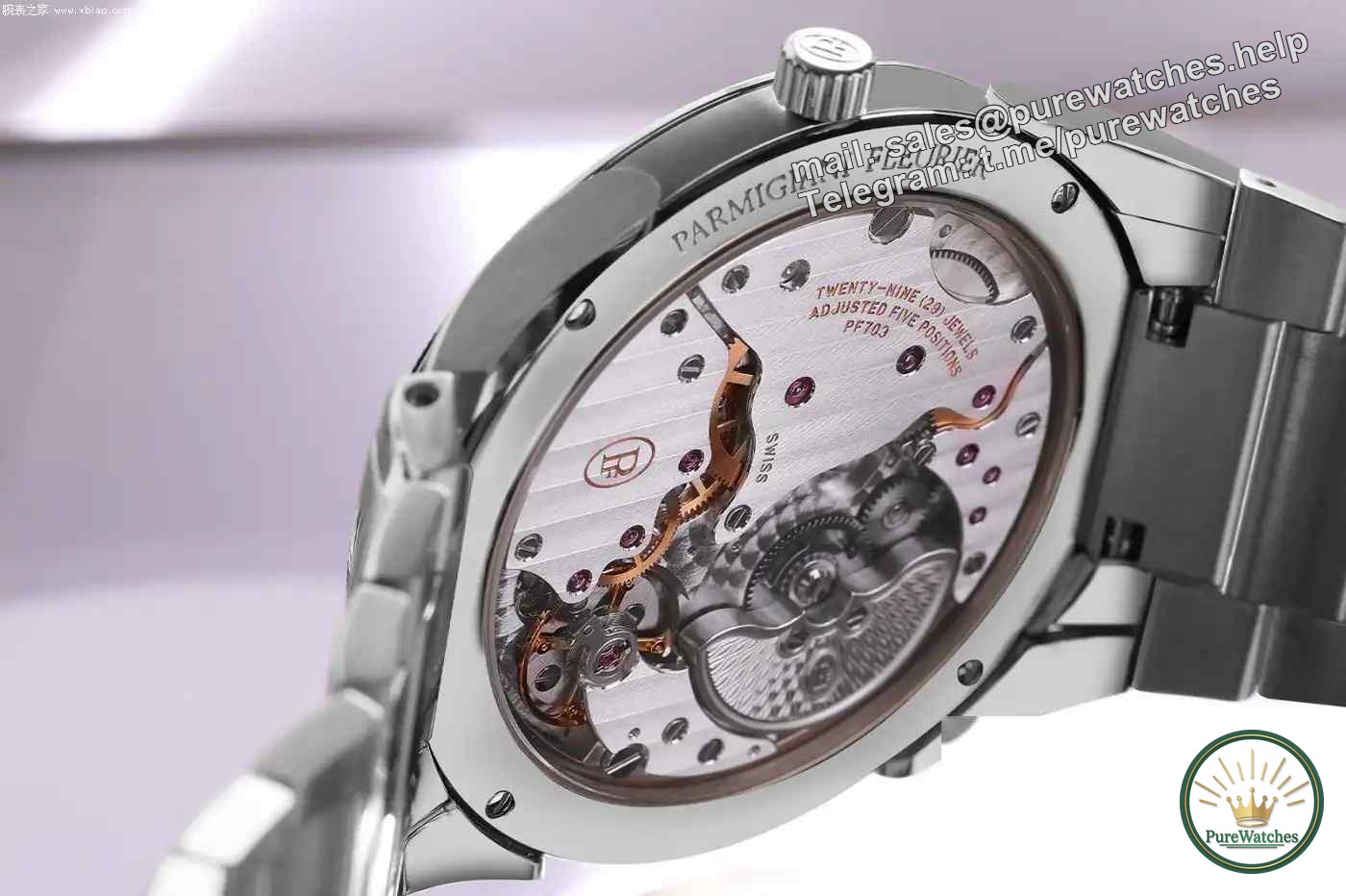
It is worth mentioning that two-way winding is a major difference between automatic movements and manual movements. In 1942, the Swiss Felsa company launched the Bidynator two-way automatic winding movement. This was the first time that a two-way winding design appeared in a modern movement. Since then, this design has been borrowed by many watchmaking brands and used in their watches. For example, in 1946, Patek Philippe Cal.12-4006 movement adopted a two-way winding design. In 1972, the Vacheron Constantin Cal. 1120/1 movement also adopted a two-way winding design, which is still in use today.
Conclusion
Although modern technology has made self-winding movements very advanced, their history is not that long ago. In 1777, Swiss watchmaker Abraham Louis Perrelet introduced a self-winding movement into a pocket watch for the first time, but it failed to become popular because pocket watches were usually stationary. In 1922, British watchmaker John Harwood created the first self-winding movement in a watch, which was gradually adopted by many brands. Today, self-winding movements have become the standard for high-end mechanical watches and continue to evolve with the development of technology.

Conclusion
The evolution of self-winding movements is truly amazing, both in terms of technological innovation and the wisdom of watchmakers. For watch enthusiasts, understanding this knowledge can not only improve their taste, but also better maintain their beloved watches. What are your thoughts on self-winding movements? Welcome to leave a message in the comment area, or give it a like to support!