
In addition to its exquisite appearance, manual winding watches also contain rich mechanical culture and unique maintenance methods. Do you know? Winding a watch every day is not only a burden, but also an intimate contact with mechanical art. Wondering how to keep your Omega Speedmaster Moonwatch in top condition? Read on!
The Charm and Maintenance of Manual Winding Watches
Among many watches, manual winding watches attract the attention of countless watch enthusiasts with their unique charm and profound mechanical heritage. Owning such a watch is not just as simple as wearing it. It also requires us to wind it regularly to ensure that the spring has enough energy to operate. Take the Omega Speedmaster Professional Moonwatch as an example, this famous manual winding watch.

In order to keep the Speedmaster Moonwatch in optimal condition, Omega officially recommends that we wind it every 24 hours. In this way, it can always maintain sufficient power and keep accurate time. But what should we do with a watch that is rarely worn and left unused for a long time? It only needs to be wound once a month to ensure the normal operation of the watch.
The uniqueness of hand-wound watch movement design
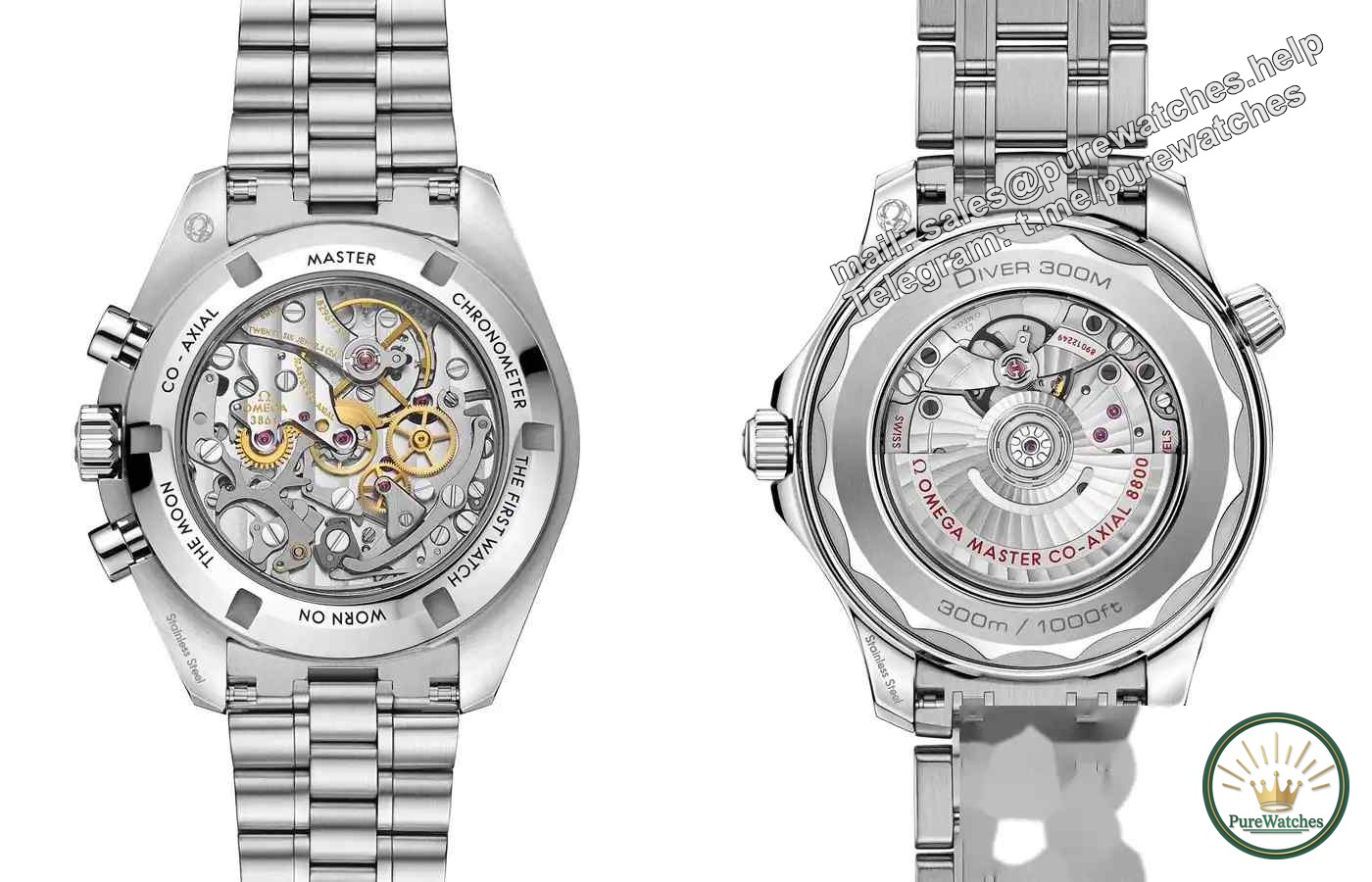
The biggest difference from a self-winding watch is that there is no oscillating weight. Without an oscillating weight, it is naturally impossible to wind the watch by wearing it. If you want the watch to move, you can only rely on the power of your hands to wind the spring through the crown. In this way, the see-through display of the movement naturally has an advantage over self-winding watches.

The method of winding a manual winding movement is not complicated. Take the Omega Speedmaster Professional Moonwatch as an example. Its movement is the Omega 8910 movement. Turn the crown clockwise to complete winding. However, it should be noted that the winding method of a manual winding movement can usually only be rotated clockwise and in one direction to tighten the spring. This prevents the wearer from inadvertently breaking the spring.
An opportunity to deeply appreciate the art of mechanical watchmaking
Because of this, manual winding movements can allow wearers to deeply appreciate the art of mechanical watchmaking. Through the transparent bottom cover, it seems that you can see the movement breathing, you can see the mainspring hugging each other tightly, and you can also see the gears turning round and round. How can one not be intoxicated by such a picture?
Different manual winding movements have different winding intervals and number of rotations. Take the Lange 31 watch as an example. It is equipped with the L034.1 manual winding movement, which has a long power reserve of 31 days. In other words, the watch only needs to be wound once a month to keep the watch moving. This ultra-long power reserve is undoubtedly the greatest kindness to the wearer.

Classification and history of mechanical watches
When it comes to manual winding movements, we have to talk about the classification of mechanical watches. According to the different winding methods, mechanical watches can be divided into two categories: manual winding and automatic winding. The manual winding movement is the earliest type of movement in history. It can be said that without manual winding movements, there would be no automatic winding movements later.
Since early manual winding watches were not equipped with a power reserve indicator, the problem of over-winding could easily occur. Once the spring is broken, the watch is completely useless. In order to avoid such a situation, Jaeger-LeCoultre introduced a power reserve indicator in a flip-type watch for the first time in 1948. This design not only solves the problem of over-winding, but also allows the wearer to have a deeper understanding of the watch.
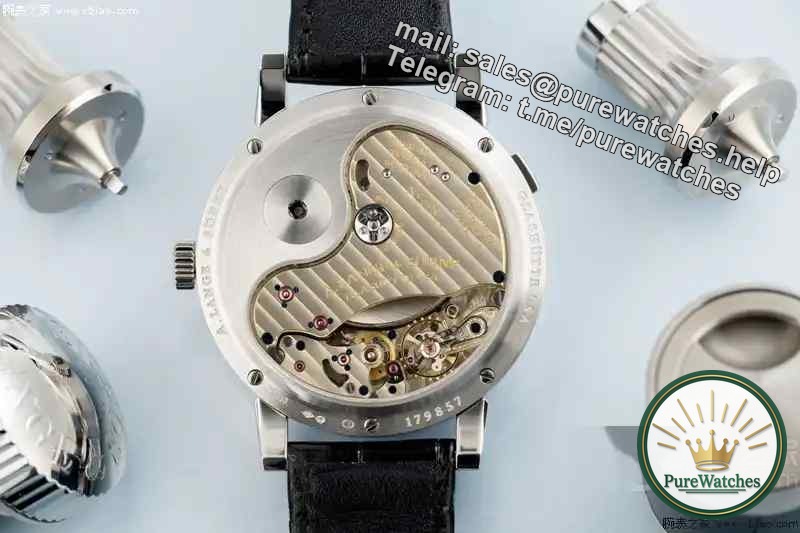
To this day, modern hand-wound watches are often equipped with a stop mechanism to prevent the wearer from inadvertently over-winding the watch. This way we can enjoy the process of winding the watch without having to worry about breaking it.
The difference between manual and automatic winding movements
Winding a manual winding watch every day is not an easy task either. For most people, this becomes almost a burden. But if you think about it from another angle, winding your watch every day is actually a kind of fun. It allows the wearer to better interact with the watch and bring each other one step closer.

In addition, there is another difference between a manual winding movement and an automatic winding movement, and that is the way to power the spring. The former requires the wearer to wind it manually, while the latter winds automatically through the movement of the wearer’s wrist. This is one of the reasons why so many people love manual winding watches, because they are more humane and allow the wearer to feel the beauty of machinery.
For a manual winding watch that is not worn often, it is obviously unrealistic to wind it once a day. It is particularly important to master the correct winding method and reasonable placement time. Only in this way can we enjoy the beauty of machinery and take better care of them to keep them in their best condition.

Conclusion
A manual winding watch is not only a fashion accessory, but also a love and pursuit of mechanical art. By winding it regularly, we can not only enjoy accurate time, but also feel the stories and emotions behind the watch. If you also have unique insights into manual winding watches, please share your views in the comment area, and don’t forget to like and support!