
When it comes to perpetual calendar watches, do you think of those high-end brands and complex functions first? But you know? In 2025, we will celebrate the 100th anniversary of the launch of Patek Philippe’s first perpetual calendar watch, Ref. 97975. This is not only a major event in the watchmaking industry, but also a microcosm of the technological evolution of perpetual calendar watches! Want to know the story behind this watch and how it changed watch design? Then read on!
The Importance and Future of Perpetual Calendar Watches
Perpetual calendar watches are not only the “face” of fine watchmaking, but also the “leader” of complex functions. Over time, they will continue to lead the way in the development of complex features. It is worth noting that in 2025, the watchmaking industry will usher in an important milestone-the 100th anniversary of the launch of Patek Philippe’s first perpetual calendar watch Ref. 97975.
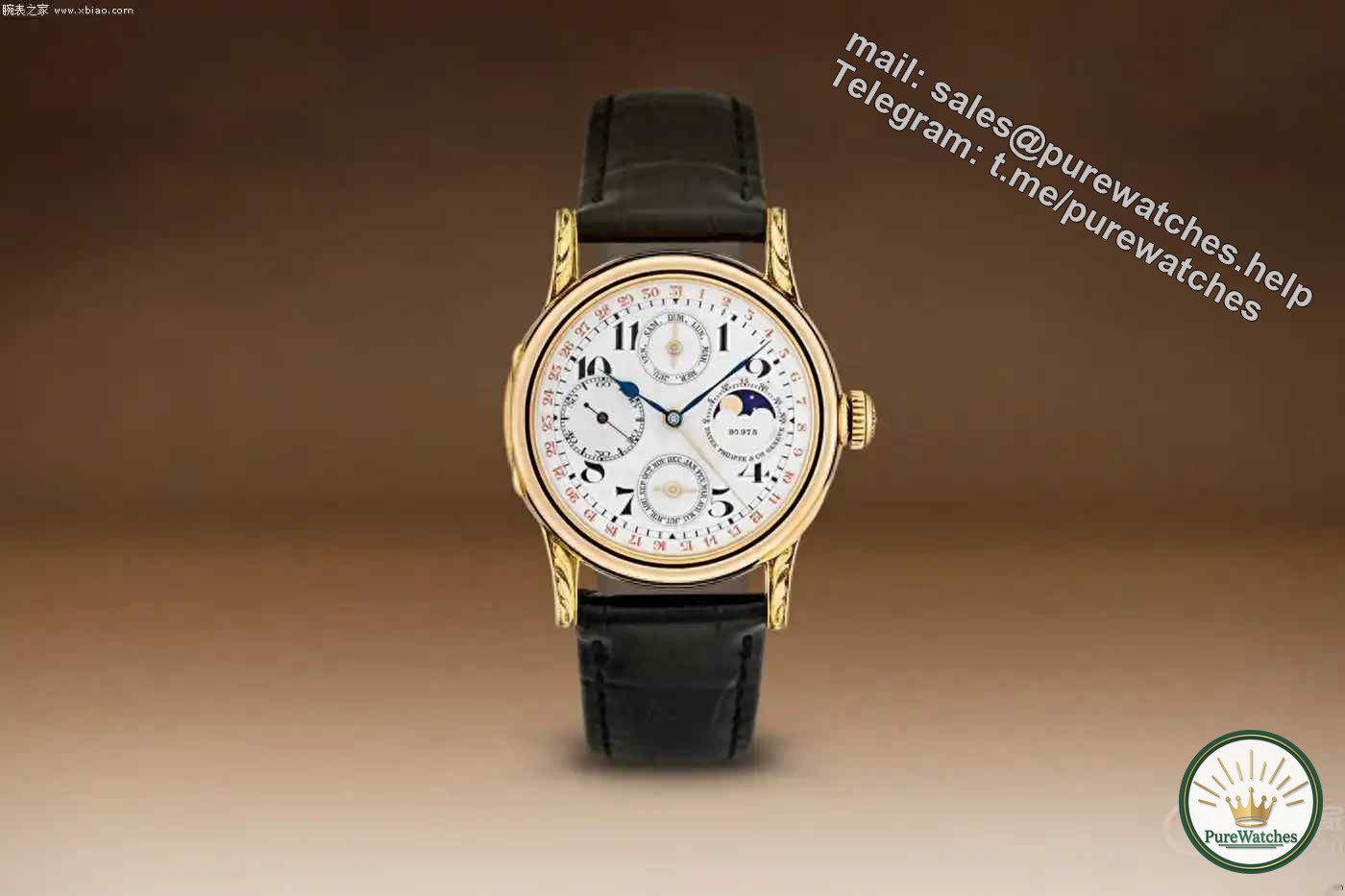
History and value of Ref.97975
Ref.97975 was sold to American collector Thomas Emery in 1927 and is now in the Patek Philippe Museum. If it were auctioned, the price would be hard to estimate. Patek Philippe plays a pivotal role in the development history of perpetual calendar watches. During this period, they also achieved a number of important achievements.
Technical evolution of perpetual calendar watches
For example, in 1937, Patek Philippe launched the world’s first retrograde perpetual calendar watch. In 1941, they launched the world’s first perpetual calendar chronograph watch. To this day, the design and implementation of these complex functions continue to challenge the technical limits of watchmakers. The continuous research and development of perpetual calendar mechanisms by high-end watchmaking brands is also constantly promoting the evolution of watch technology.
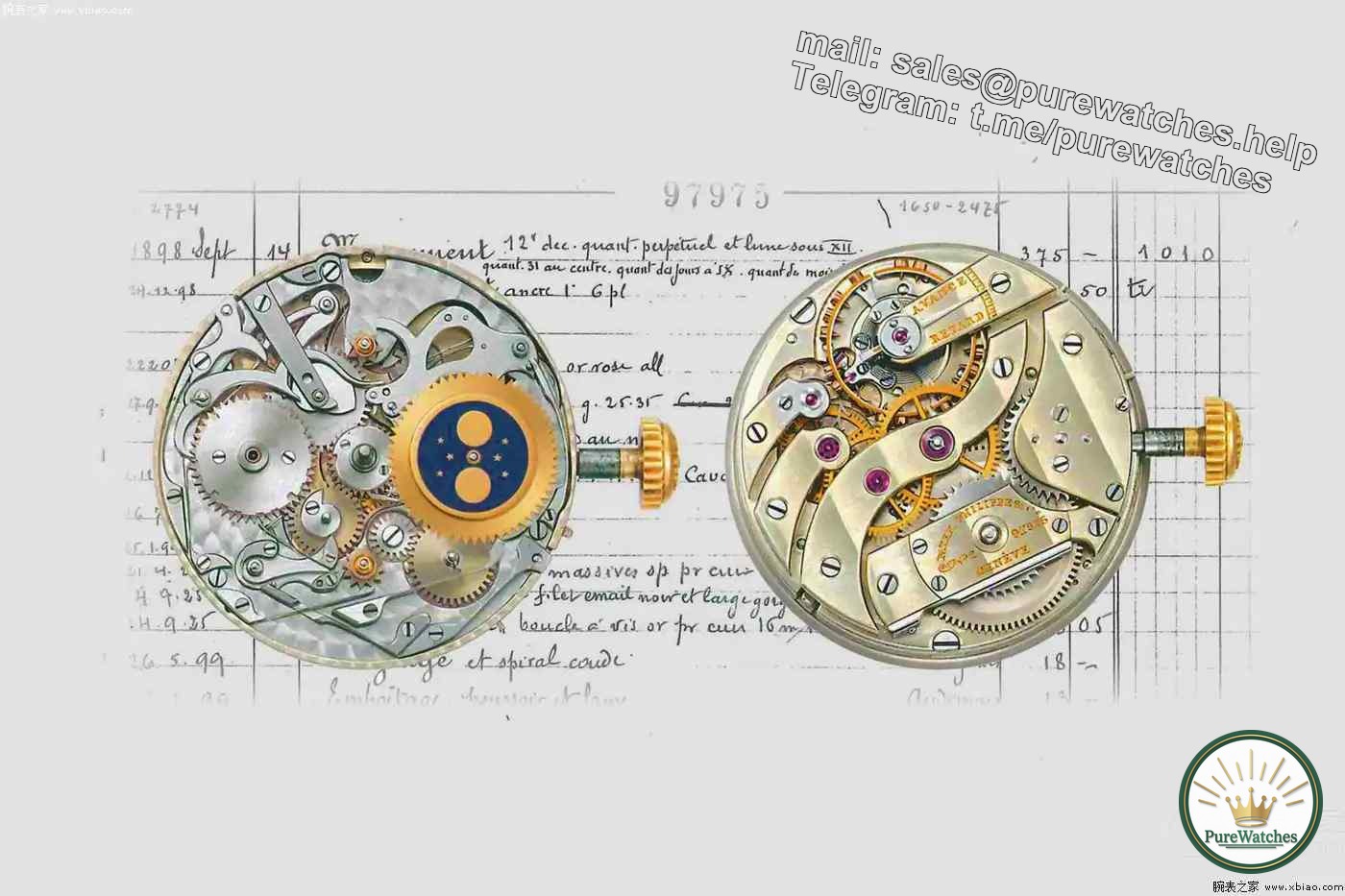
Design evolution of the Ref.97975 movement
The advent of Patek Philippe Ref. 97975 perpetual calendar watch marks an important stage in the development of complex functions of watches. Through it, we can also get a glimpse of the historical development of perpetual calendar watches.
The perpetual calendar watch has a history of nearly two hundred years since its inception. But “watches” in the true sense are rare. Patek Philippe Ref.97975 Perpetual Calendar Watch is one of them.
Before understanding Ref.97975, we need to understand a question-the difference between a perpetual calendar watch and a perpetual calendar timepiece. As we said before, the perpetual calendar watch has a history of nearly two hundred years. But the first “perpetual calendar watch” was not Patek Philippe’s Ref. 97975, but Breguet No. 6 made by Swiss watchmaker Abraham-Louis Breguet in the 1770s. Earlier, in 1762, British watchmaker Thomas Mudge produced the first “perpetual calendar timepiece.” To this day, this timepiece is still in the collection of the Science Museum in London.
The biggest difference between a perpetual calendar timepiece and a perpetual calendar watch is how you wear it. The former is generally larger in size and is mostly placed on the desktop or used as a pendant; the latter is specially designed and made for wearing, so it is more refined in size and design.
The reason why Patek Philippe Ref. 97975 is called a “perpetual calendar watch” rather than a “perpetual calendar watch” is precisely because they are the first perpetual calendar timepiece designed as a wrist watch.
Ref.97975 Evolution of design and functionality
Back to Ref.97975 itself. This watch was launched in 1925, with a diameter of only 34 mm. It is an elegant and compact women’s watch.
Their movement was originally designed and produced for a ladies’ pendant watch, and its history can be traced back to 1898. Before being adapted into a wristwatch, this movement was also used in a rectangular pendant watch.
Judging from the design of modern perpetual calendar watches, Ref. 97975 undoubtedly seems a bit cumbersome. The dial not only has multiple display functions such as moon phase, date, year, etc., but is also equipped with an independent second hand. This may have been an innovation at the time, but today it seems a bit too complicated.
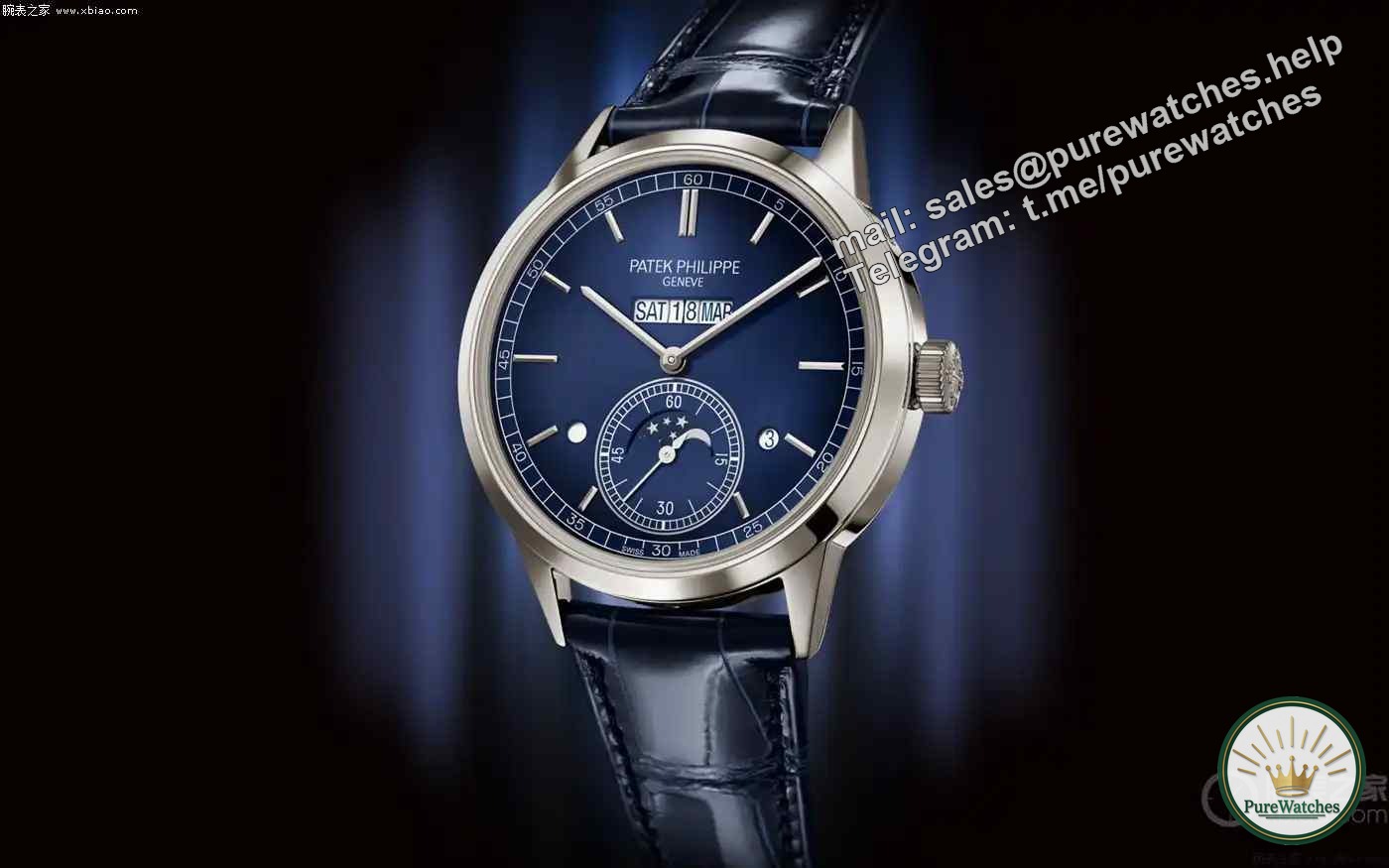
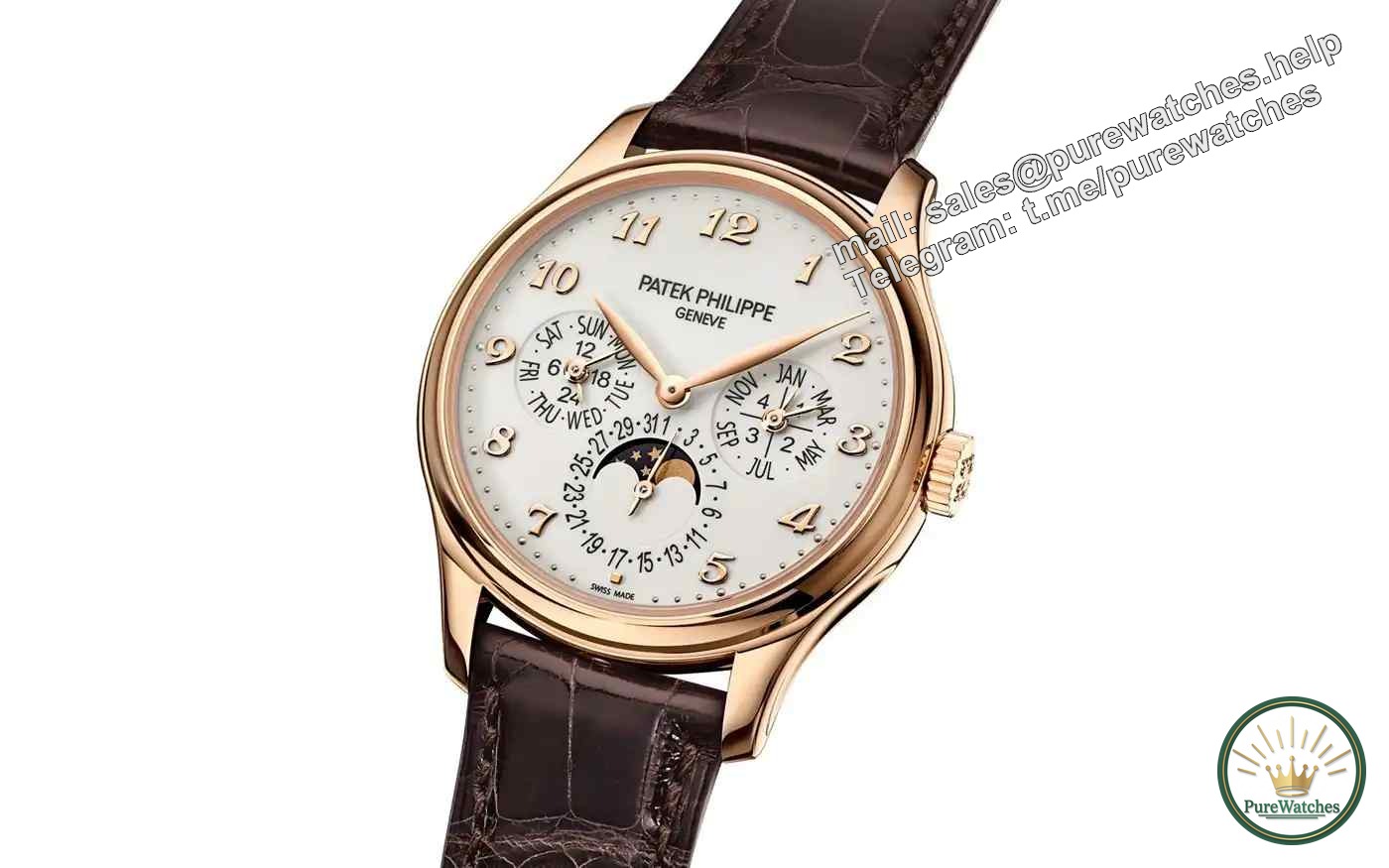
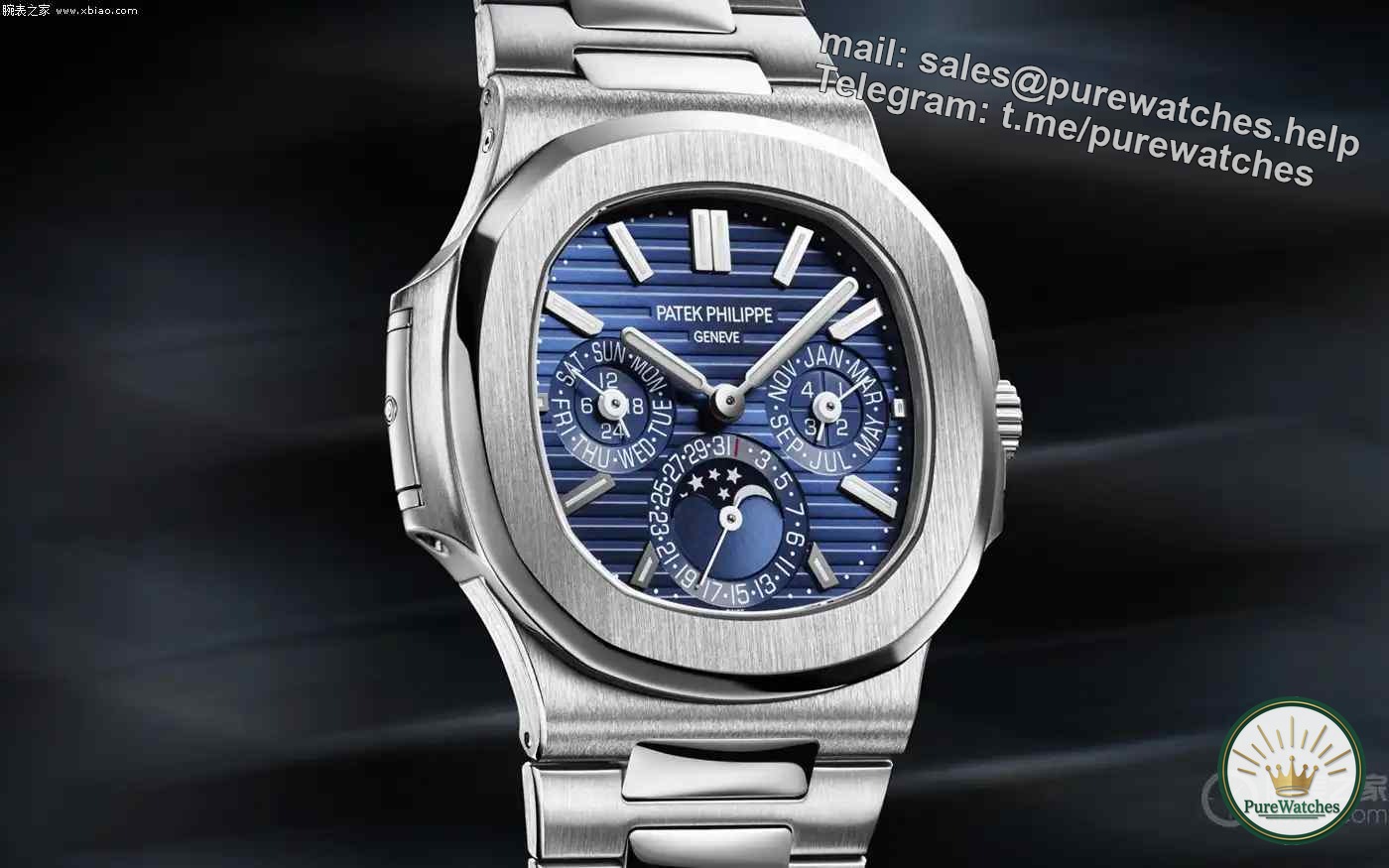
Today’s perpetual calendar watches, such as Patek Philippe Cal. 31-260, have a much simpler design. It not only retains multiple display functions such as date, month, year, leap month, etc., but also integrates the small second hand into it, making the disk look cleaner and neater.
Ref.97975’s position in the history of perpetual calendar watches
From this perspective, Patek Philippe Ref. 97975 is more like a transitional work. They carry an important step from the past to the future of perpetual calendar watches. But this does not affect their important position in the development history of perpetual calendar watches.
It is worth mentioning that although Patek Philippe Ref. 97975 is known as the first “perpetual calendar watch”, they are not the first timepieces with the “perpetual calendar” concept. As we said before, the earliest perpetual calendar timepiece was made by British watchmaker Thomas March in 1762. In the 1770s, Swiss watchmaker Abraham-Louis Breguet produced the first “perpetual calendar watch.”
In other words, although Patek Philippe is not the first brand to produce a “perpetual calendar”, they are the first brand to successfully integrate the “perpetual calendar” concept into watch design. This design concept continues to this day and has become one of the important features of modern perpetual calendar watches.
It can be said that the advent of Patek Philippe Ref. 97975 not only marked the establishment of the design concept of modern perpetual calendar watches, but also laid the foundation for subsequent exploration and research of perpetual calendar mechanisms by high-end watchmaking brands.
Conclusion
Through this article, we not only understand the history and technological evolution of Ref. 97975, but also see the important position of perpetual calendar watches in the watchmaking industry. As a watch with a long history, it is not only the crystallization of technology, but also a witness of time. What do you think the future development of perpetual calendar watches will be? Welcome to share your views in the comment area, and don’t forget to like and support!