
Do you know? The hairspring in the watch movement is undergoing a material revolution! From traditional metal hairsprings to today’s silicon hairsprings, what kind of technical secrets are hidden behind this? There are also exciting games from big-name brands such as IWC and Seagull, taking you to explore how the rise of silicon hairsprings has changed the pattern of the watch industry.
The Rise of Silicon Hairsprings and Movement Changes
In the watch industry, the movement is the core component that determines the performance of the watch. With the development of technology, the hairspring inside the movement is gradually made of traditional metal materials and evolved into silicon materials. In addition to reducing friction, reducing maintenance times, and improving anti-magnetic capabilities, silicon hairsprings have also attracted attention because they perform better than metal hairsprings under the influence of temperature and magnetic fields.
Upgrade of BM movement and innovation of IWC
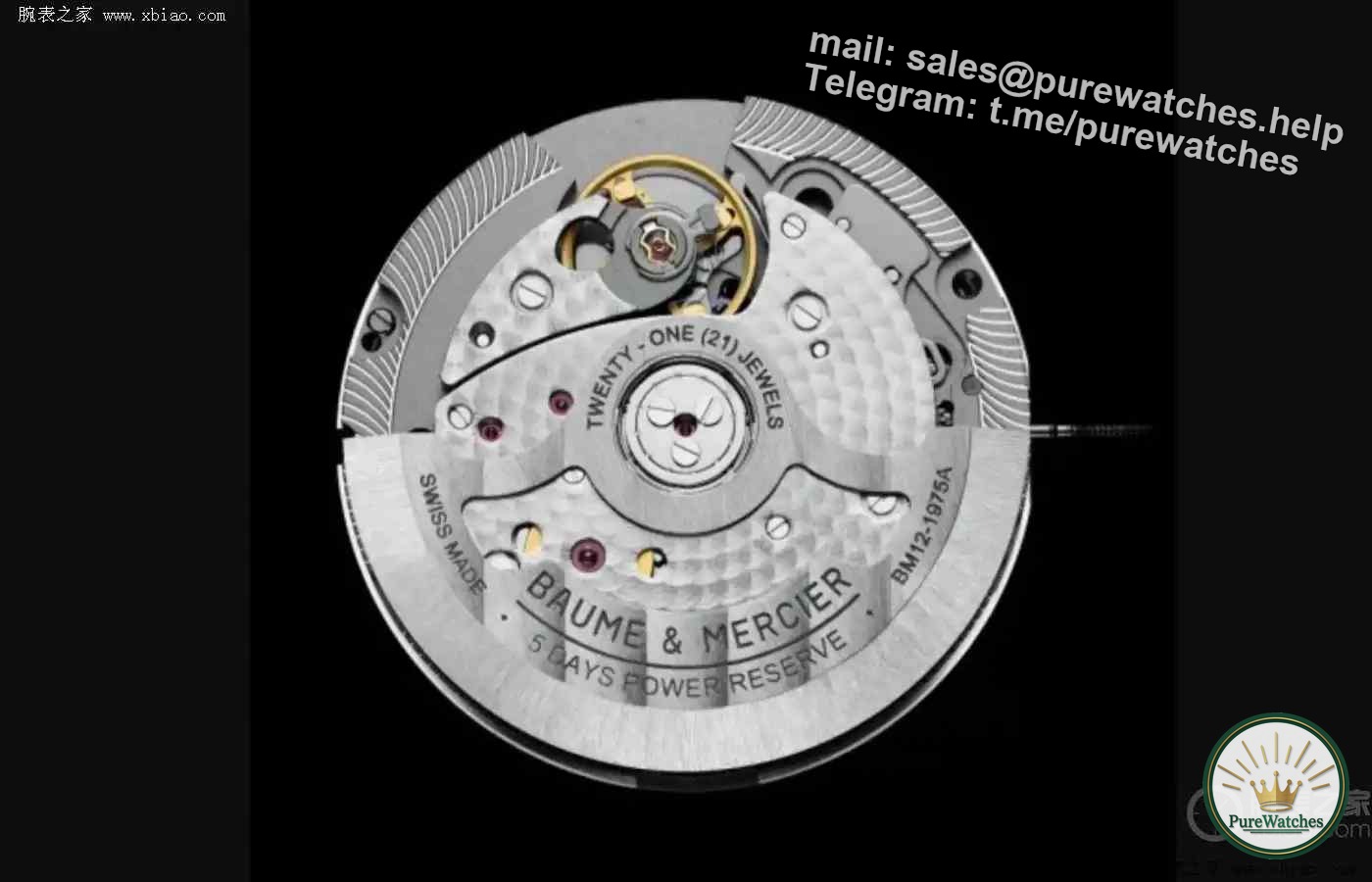
Take BaiMu as an example. As early as 2019, the BM121975A movement, which was still using a silicon hairspring at the time, was upgraded to the BM131975A movement due to patent disputes. Although the latter removed the silicon hairspring, it still maintained good anti-magnetic performance.
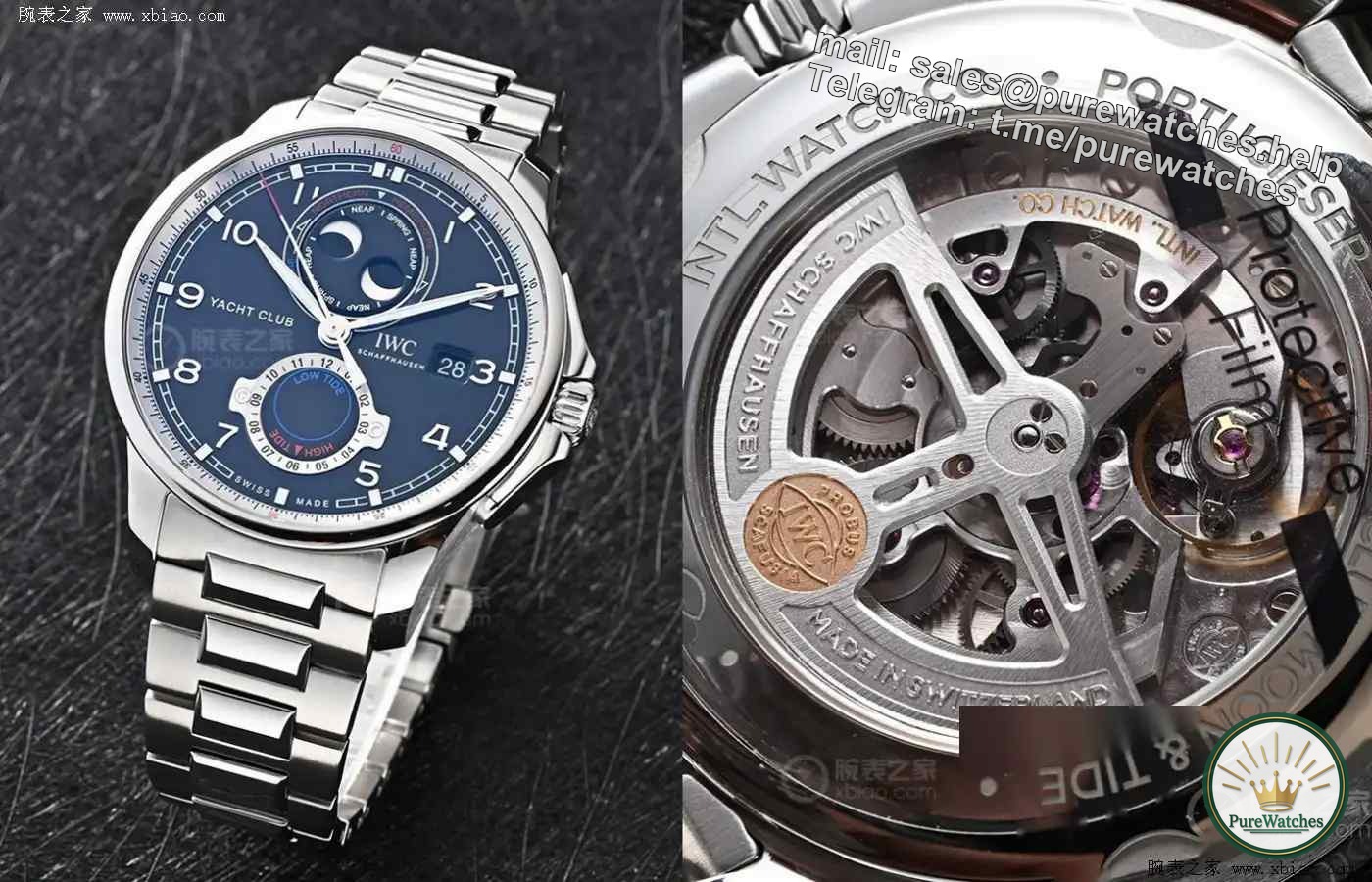
On the Portuguese series sailing elite moon phase and tide watch (model IW344002) launched by IWC in 2024, the 82836 movement it is equipped with has returned to the use of silicon hairsprings.
Popularization and market competition of silicon hairspring
Does the return of silicon hairsprings mean that the field of hairsprings has returned to the era when silicon hairsprings dominated? Not so.
After all, the reason why silicon hairsprings are so popular is largely because they can improve the competitiveness of mechanical watches in the modern technological environment – which metal hairsprings cannot do.
This is why many big names chose to follow up before their patents expired, rather than rejecting them.
Technical competition between domestic brands and international giants
Judging from the first self-developed silicon hairspring movement tourbillon watch (model 818.17.8841) launched by Seagull Watch in 2023, domestic brands have completed their layout in the field of silicon hairsprings.
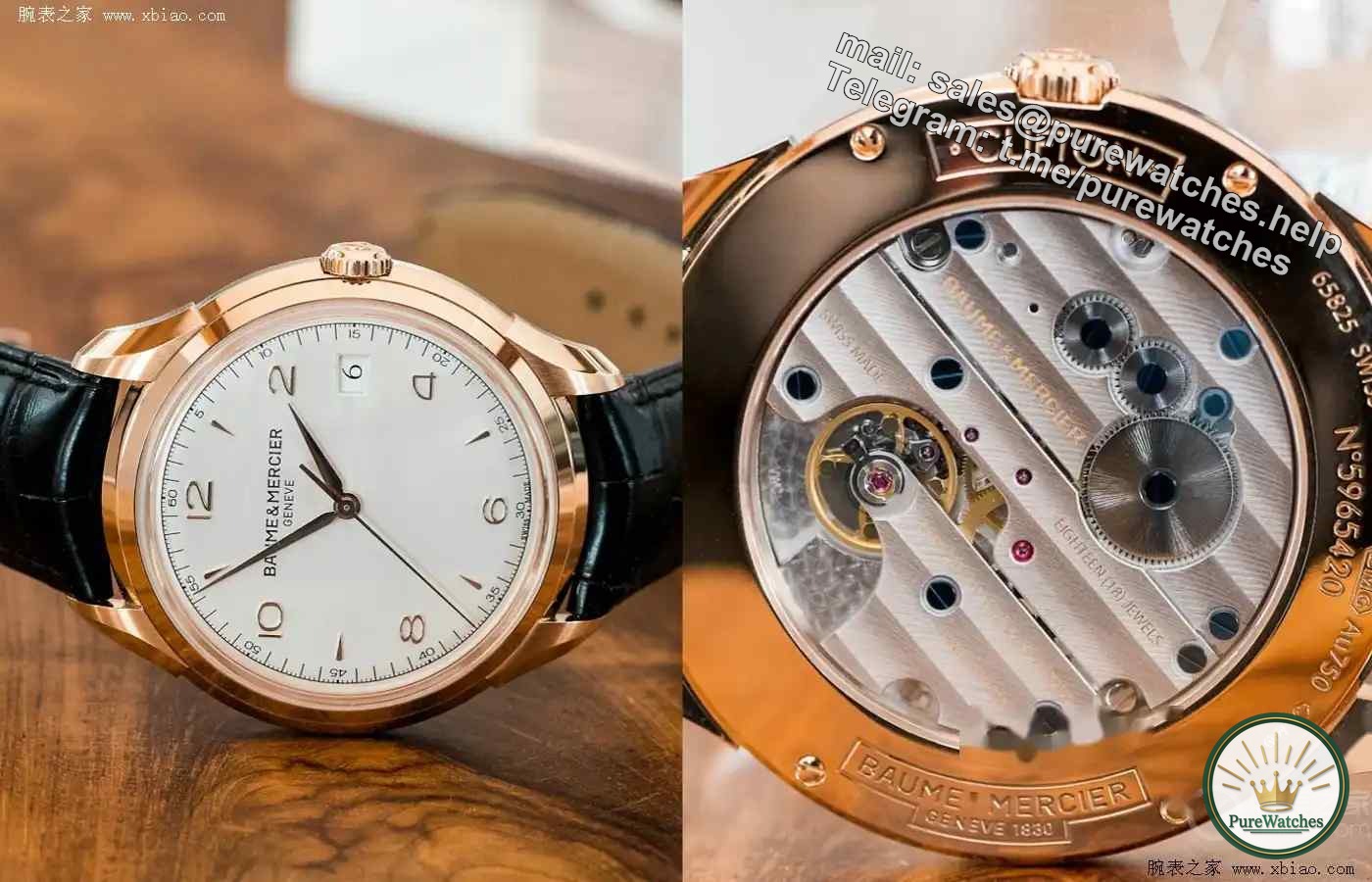
Compared with Baume & Mercier, which was the first to equip the Clifton series MANUAL 1830 watch (model M0A10359) with a silicon hairspring in 2017, this lead is nothing.
After all, Baume & Mercier watches are backed by the Swatch Group, which owns many well-known brands, such as Patek Philippe, the “godfather” of the Swiss watchmaking industry.
As a protégé of the “Godfather”, Rolex will naturally not be absent.
The reason why these two brands have such status is closely related to their exploration in the field of hairsprings.
Silicon hairspring patents and technological evolution
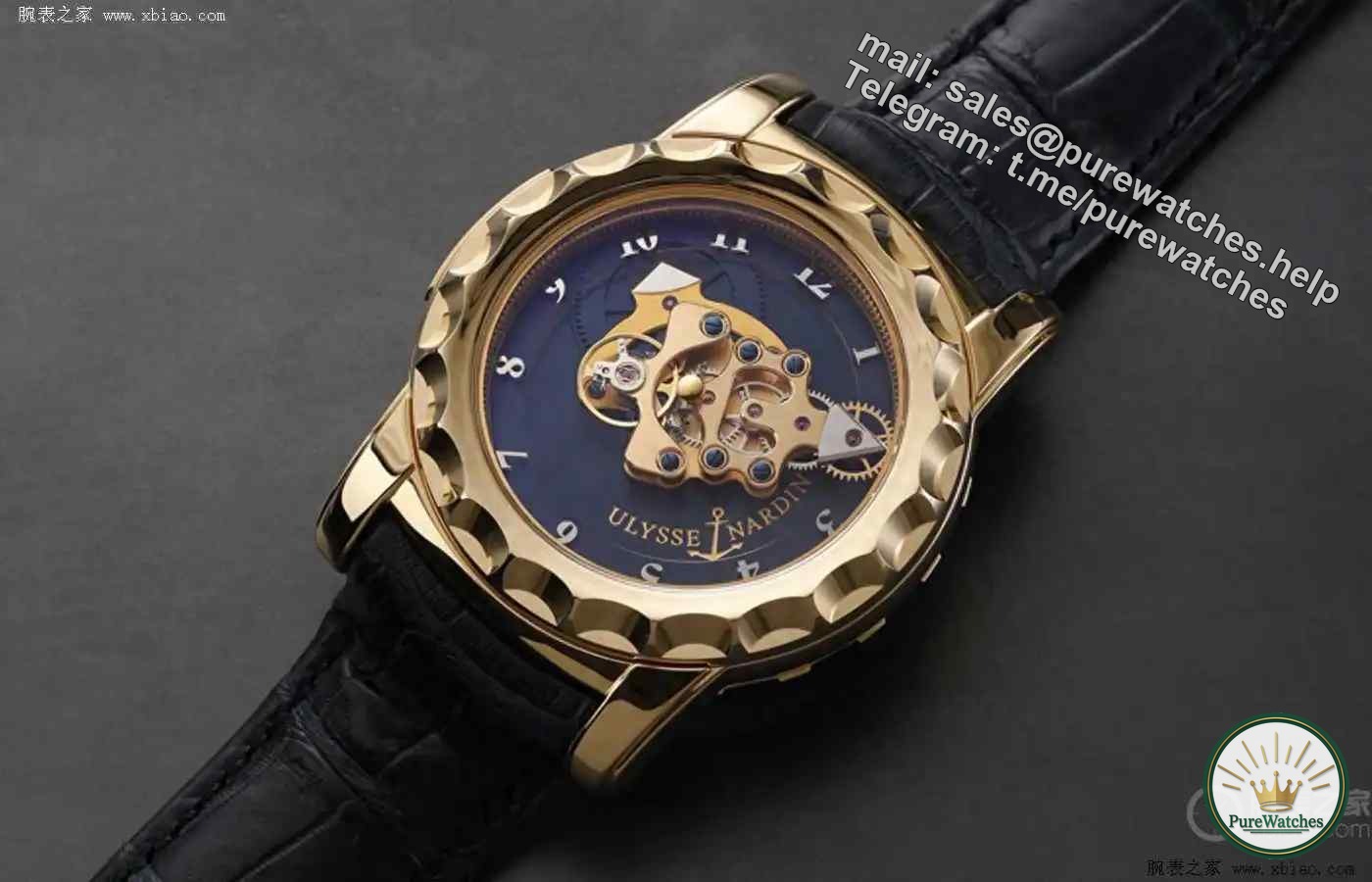
The patent for silicon hairspring was first seen in 2002, jointly initiated by Ulysse Nardin, Swatch Group, Rolex and Patek Philippe, and will expire on November 25, 2022.
This means that as long as there is sufficient technical level, we may see more movement manufacturers launch products containing silicon hairsprings in the future.
And this will also be the beginning of the real popularity of silicon hairsprings – after all, without patent restrictions, competition among major brands will become more intense.
This is naturally a good thing for technological development and innovation.
Comparison of hairspring materials and future prospects
Through comparison, it can be found that under the influence of temperature and magnetic field, silicon hairsprings show better characteristics than metal hairsprings.
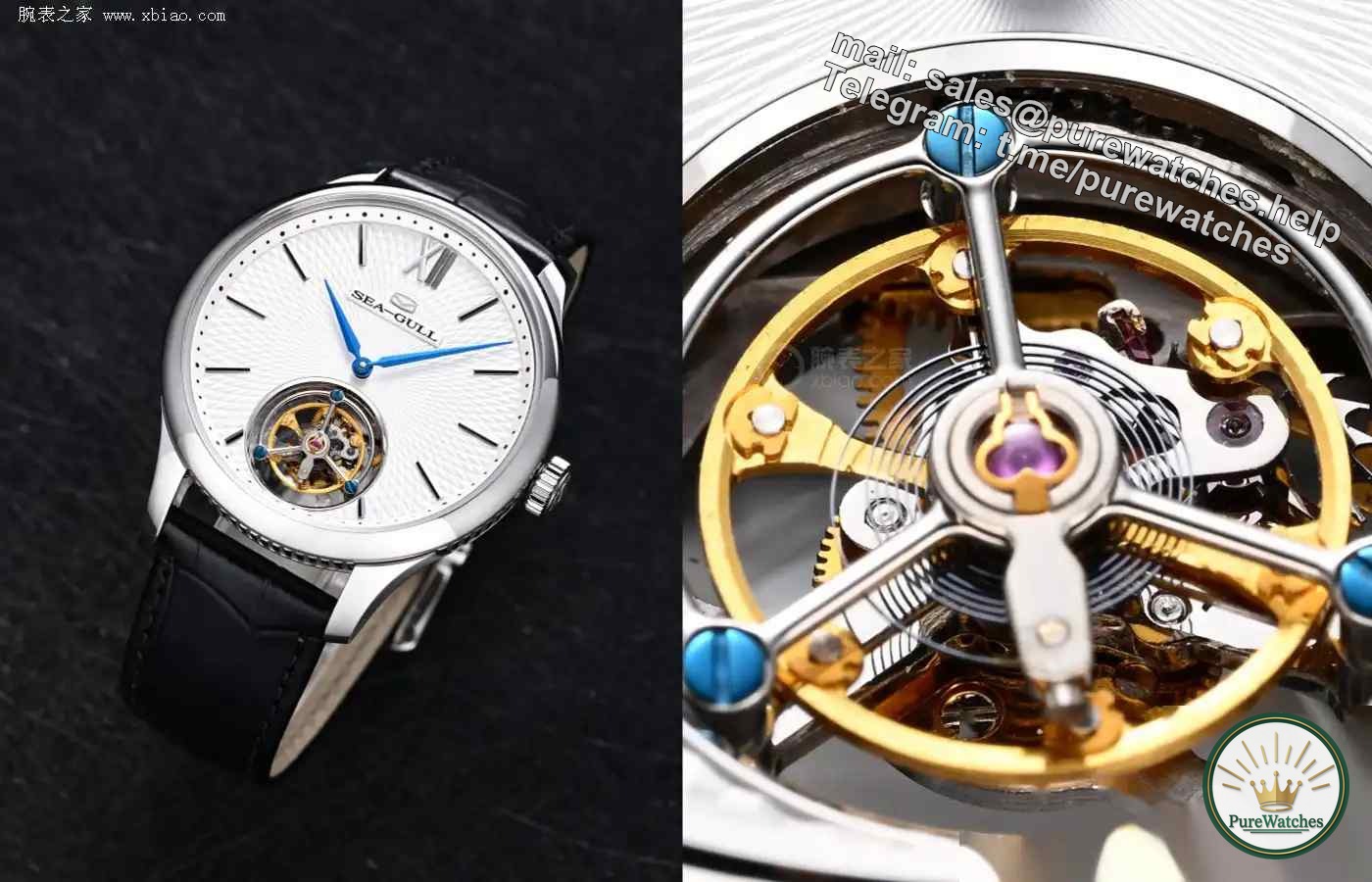
This is one of the important reasons why metal hairsprings cannot replace silicon hairsprings.
As more brands join, I believe that the materials used in silicon hairsprings will be more diversified in the future – which will also promote the development and innovation of its technology.
Conclusion
The return of silicon hairsprings has undoubtedly injected new vitality into the watch industry, improving the performance and stability of the movement. As consumers, we certainly hope to see more innovative watches appear on the market! What do you think of the future of silicon hairsprings? Welcome to share your views in the comment area, and don’t forget to like and support!