
Or in order to stagger the popularity of the annual event “Watches and Miracles”, Breitling released this year’s new TOP TIME series of watches on March 25. The most eye-catching point of this new work is not the appearance design, but the use of a new movement type B31. According to the brand, this is Breitling’s first self-made three-hand movement, which is a milestone. However, keen players may notice that this “self-made movement” has a certain similarity in layout with the TH31-00 movement previously released by TAG Heuer, which has also triggered heated discussions. So, are the two movements related? Is the Breitling B31 movement really a “self-made movement”?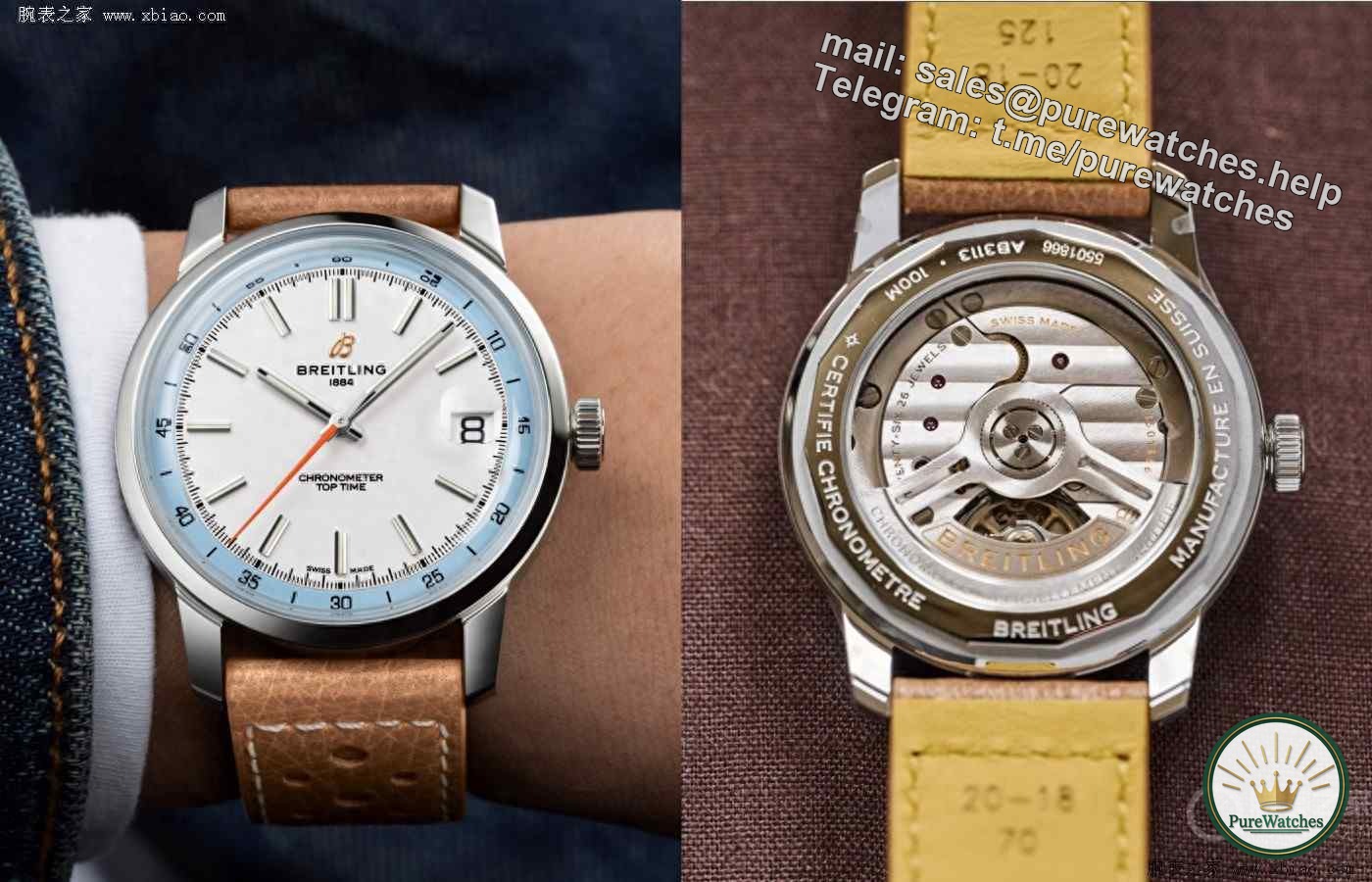
Breitling TOP TIME B31 watch
We know that the movements of Breitling watches are divided into two situations: “outsourced” and “homemade”. In the past, outsourced movements were mostly supplied by ETA. These movements were directly named with numbers, such as Cal.10, Cal.17, Cal.19, etc. With ETA cutting off supply, brands have tended to switch to the Sellita camp in recent years, still using purely numerical naming methods. On the other hand, Breitling also has some in-house movements. In order to distinguish them from purchased movements, self-made movements all start with the letter B, such as B01, B20, and the latest B31. One way to quickly determine whether a Breitling movement is homemade is through its name.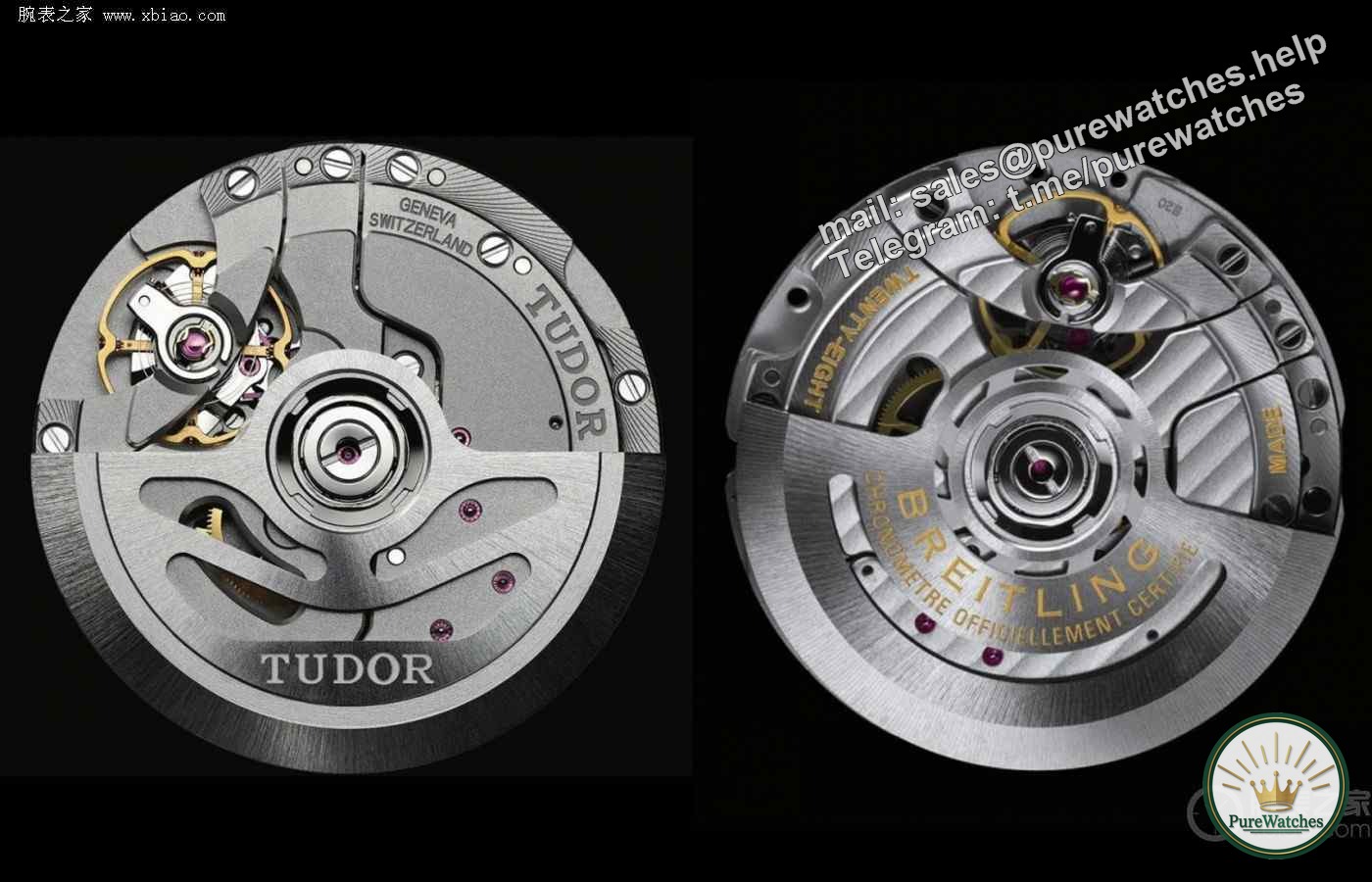
Tudor MT5612 and Breitling B20 movement
Before the advent of B31, Breitling’s main three-hand “self-made movement” was B20. It is true that this movement was not completely independently developed by Breitling, but was a solution provided by Kenissi Movement Factory. As part of the resource integration, the Breitling B20 movement has a certain “blood relationship” with the Tudor MT5612. Similarly, the Tudor MT5813 chronograph movement is also influenced by the Breitling B01.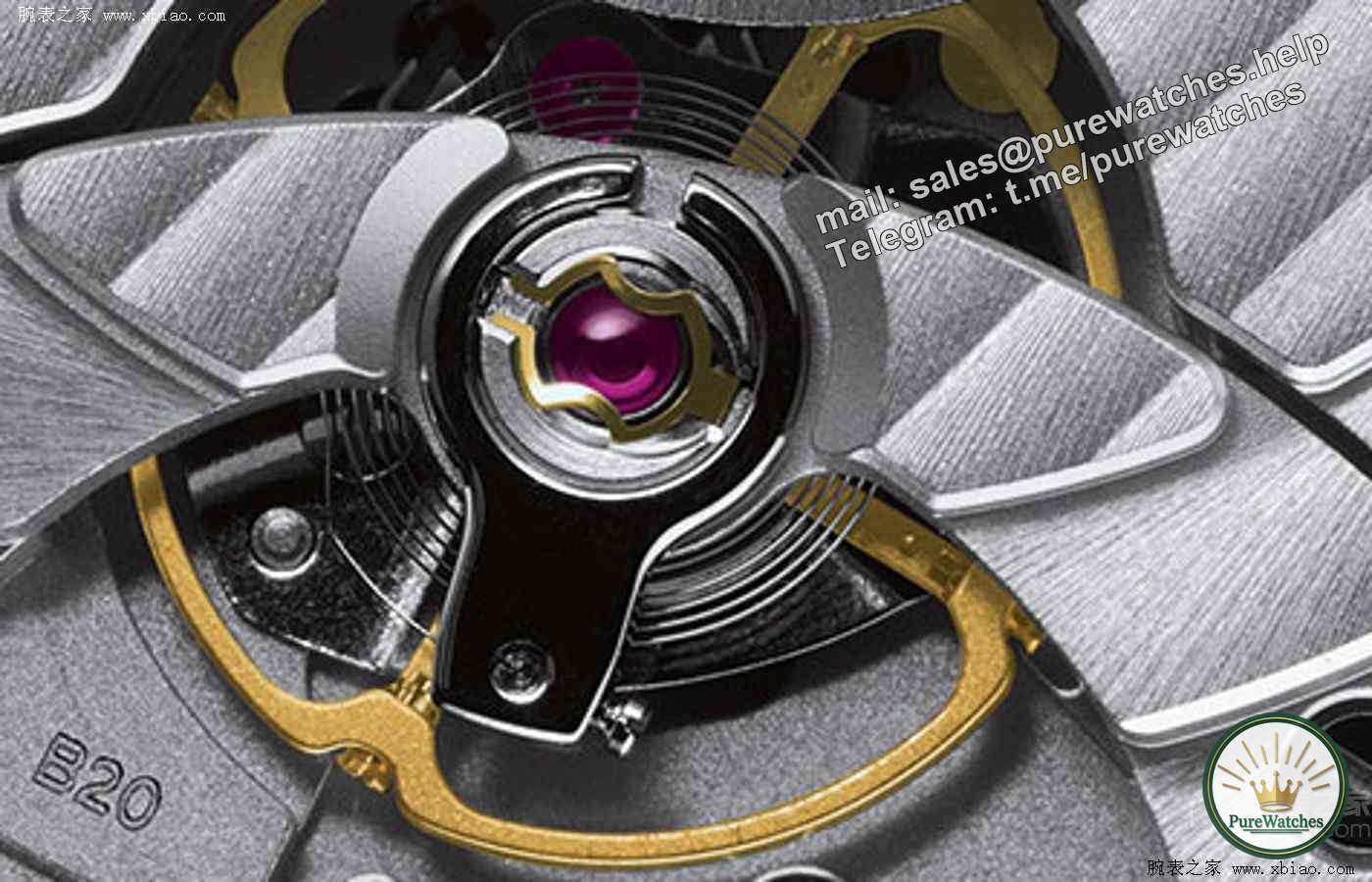
Close-up of details of Breitling B20 movement
Judging from the parameters, the diameter of the Breitling B20 and Tudor MT5612 movements is 31.8 mm, the number of gem bearings is 26, equipped with Incabloc shock absorbers, and has a power reserve of 70 hours. The main difference between the two is that Tudor MT5612 is equipped with a silicon hairspring, while Breitling B20 does not. But B20 uses more refined polishing, the plywood shows a large area of Geneva pattern, and the plywood engraving is processed with gold filling technology, with exquisite details. It can be said that it is difficult to connect these two movements with very different styles based on their appearance alone.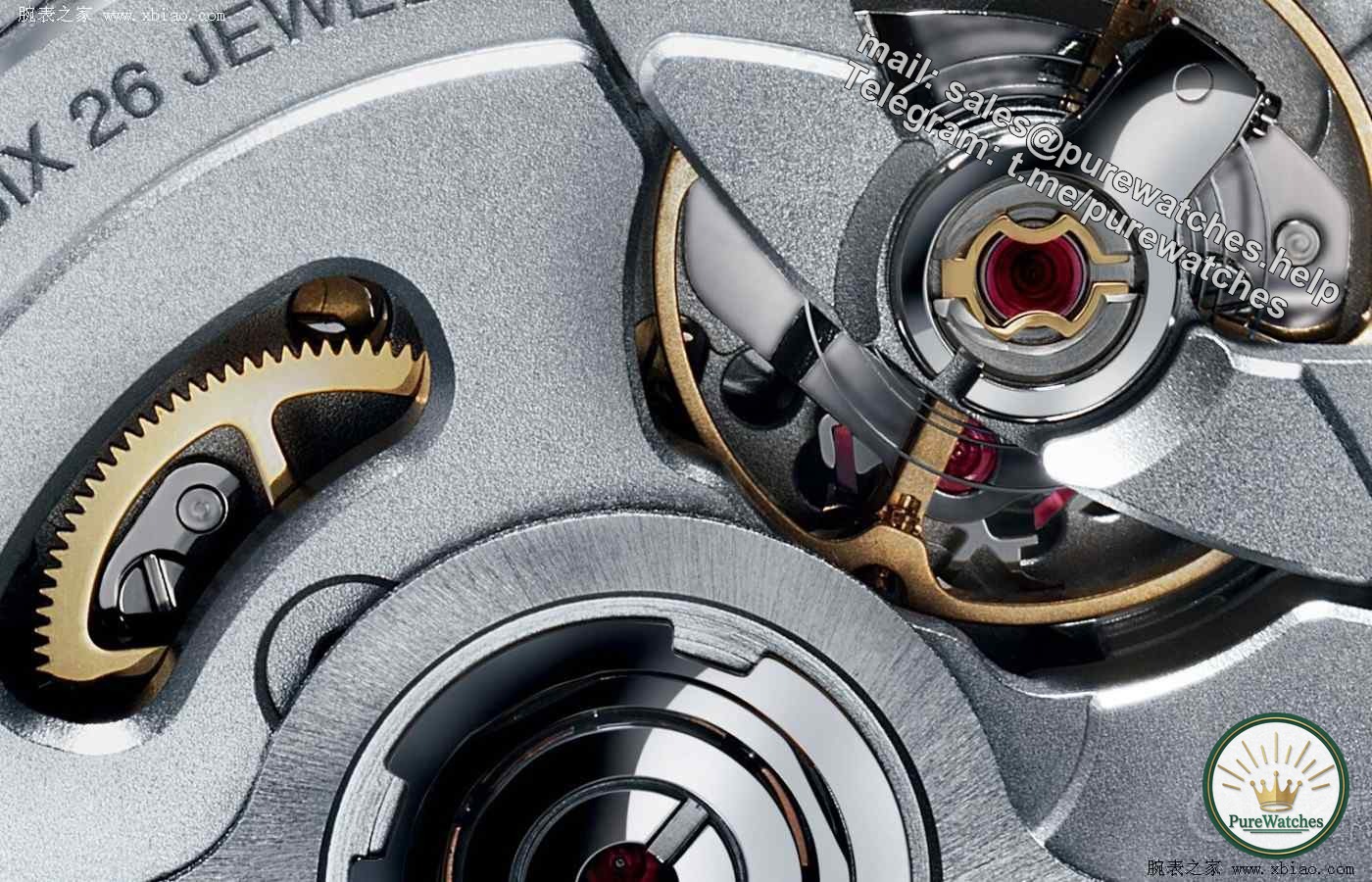
Tudor MT5612 movement details close-up
Here I want to throw out a concept, that is, the difference between “autonomous movement” and “self-made movement”. In a foreign context, they correspond to “In-house movement” and “Manufacture movement”. The so-called “independent movement” refers to a movement that is completely produced and assembled by the brand’s factory, and the technical patent is in the hands of the brand; while the concept of “self-made movement” is broader, it can be a movement assembled by the brand itself using a supply chain solution, or a special model customized by an upstream manufacturer. Therefore, an independent movement is a case of a self-made movement, whereas a self-made movement is not necessarily an independent movement.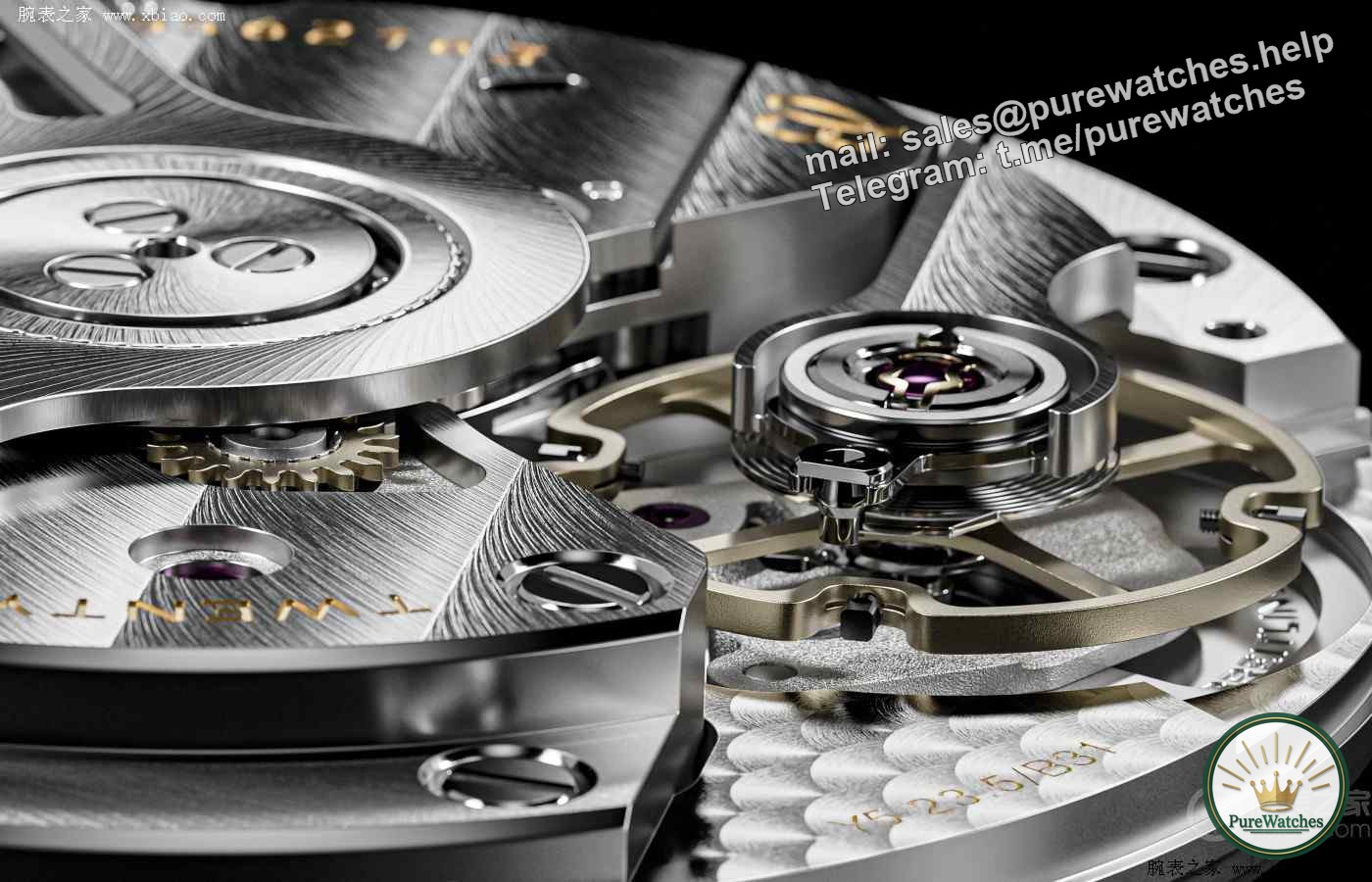
Breitling B31 movement
According to this definition, although the B20 movement is closely related to the Kenissi movement factory, Breitling has deeply modified the core component (silicon hairspring) and appearance. It can indeed be called a self-made movement. Turning our attention to the newly released B31 movement, although Breitling did not mention the development background of this movement, sharp-eyed players can easily find that it has many similarities with the TH31-00 movement launched by TAG Heuer in 2023. In this regard, TAG Heuer does not shy away from the fact that this is the result of cooperation with Manufacture AMT SA.
Manufacture AMT SA Trademark
Manufacture AMT SA is a movement factory located in La Chaux-de-Fonds, Switzerland, which is owned by Sellita and aims to produce customized movements for the brand. There is currently not much public information about the AMT movement factory, but what is clear is that the movements it produces are often labeled as “high-end”, in sharp contrast to the entry-level Sellita movements.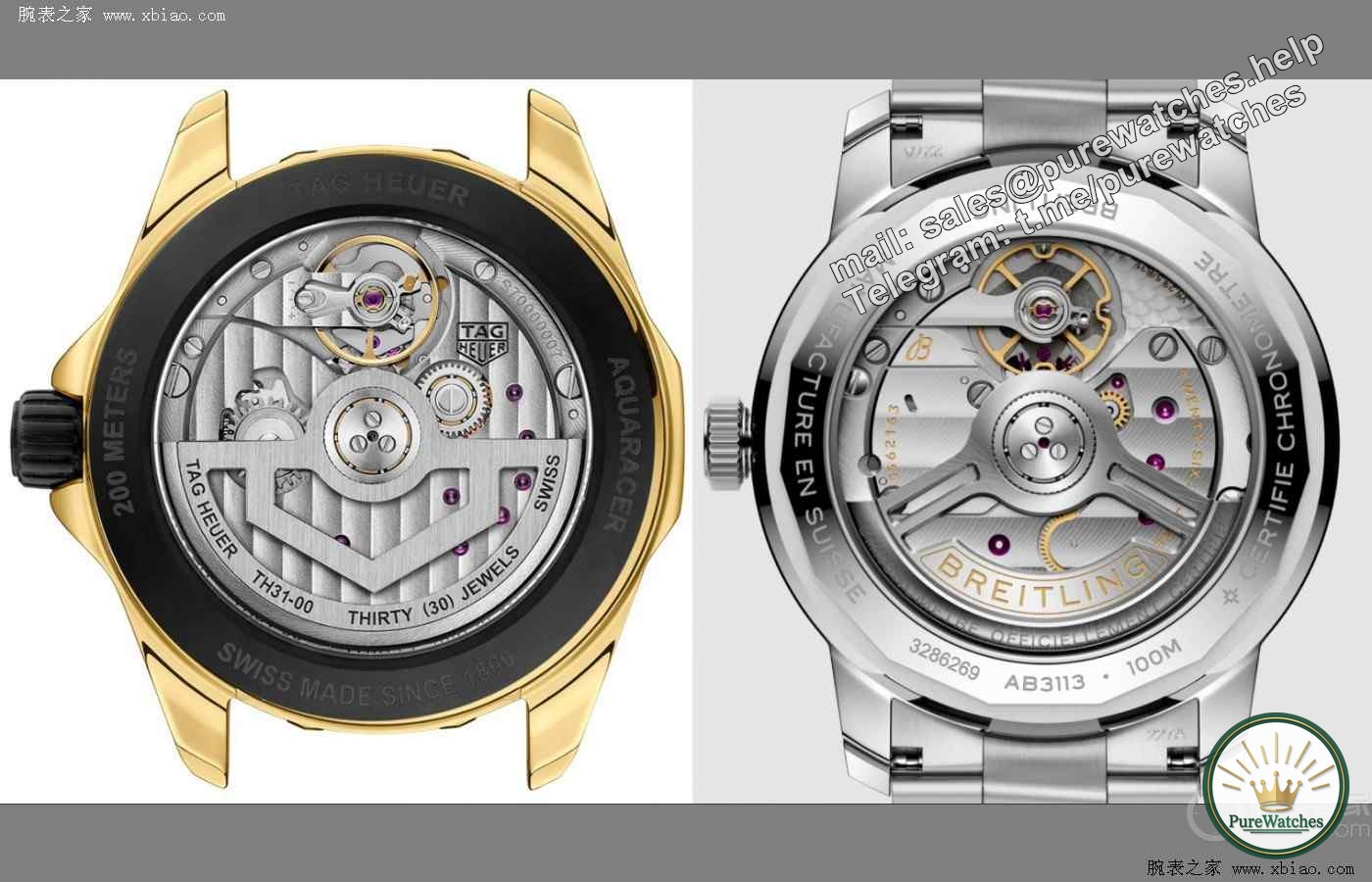
TAG Heuer TH31-00 and Breitling B31 movements
Judging from the disclosed information, the Breitling B31 movement has a diameter of 28.4 mm, a number of 26 gem bearings, a vibration frequency of 28800VPH (4Hz), a 78-hour power reserve, and is certified by the Swiss Official Observatory COSC. In terms of appearance, the bridge plate of the B31 movement is polished with Geneva grain, the lower main plate is polished with pearl circular grain, and the automatic rotor is hollowed out. For comparison, the TAG Heuer TH31-00 movement has 30 gem bearings and a power reserve of 80 hours.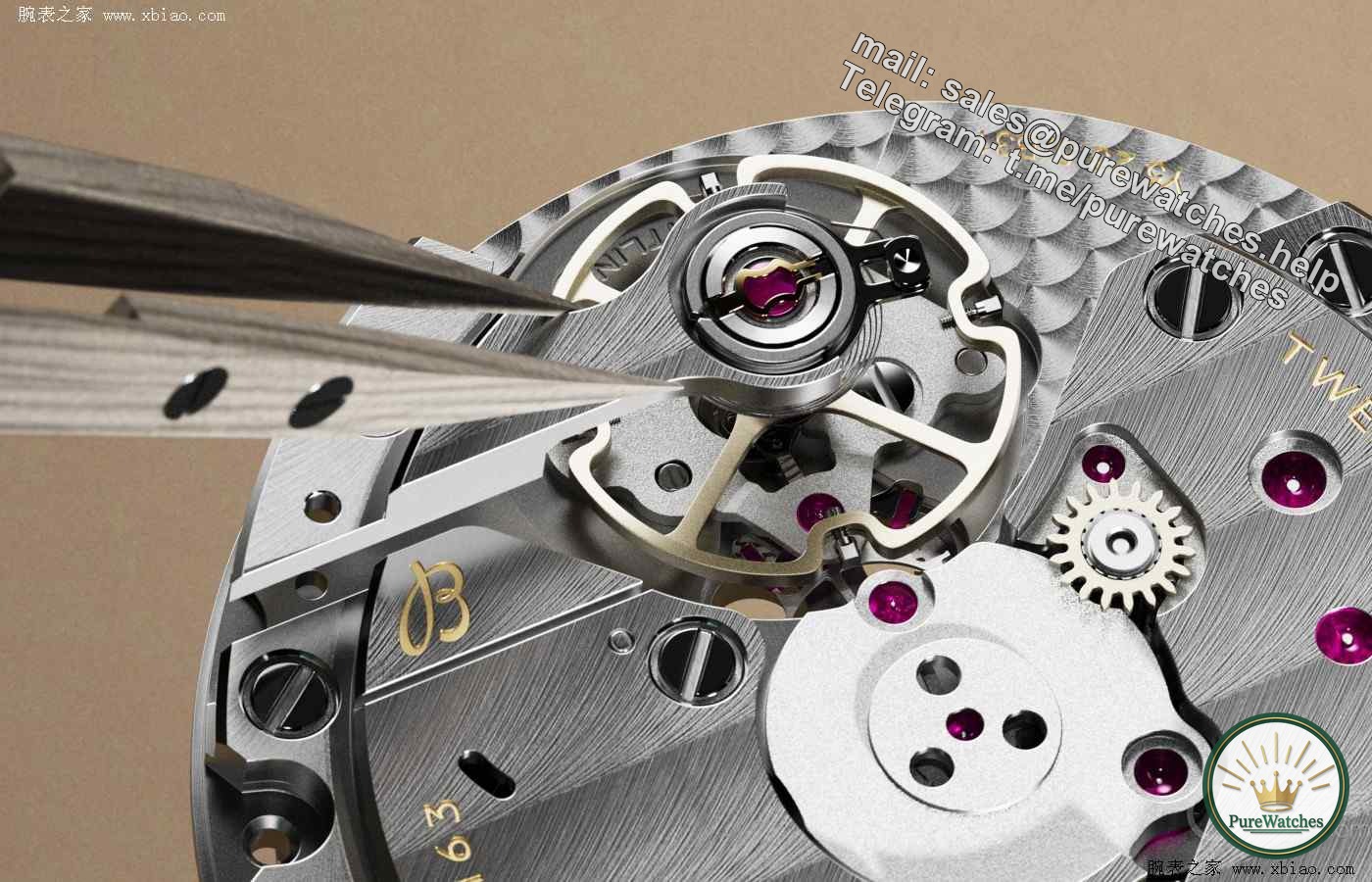
Breitling B31 movement
Going back to the question raised at the beginning, is the Breitling B31 really a “self-made movement”? My answer is yes. This is not only due to its uniqueness in terms of parameters and appearance, but also a judgment based on the concepts of “autonomy” and “self-made”. In any case, as one of Breitling’s most important movements in recent years, the launch of B31 is expected to replace the current B20 movement and become the brand’s new generation main three-hand movement.